Disclosure: This post contains affiliate links. If you book through our links, we may earn a small commission at no extra cost to you. Thanks for supporting Faceted Travel!
Table of Contents
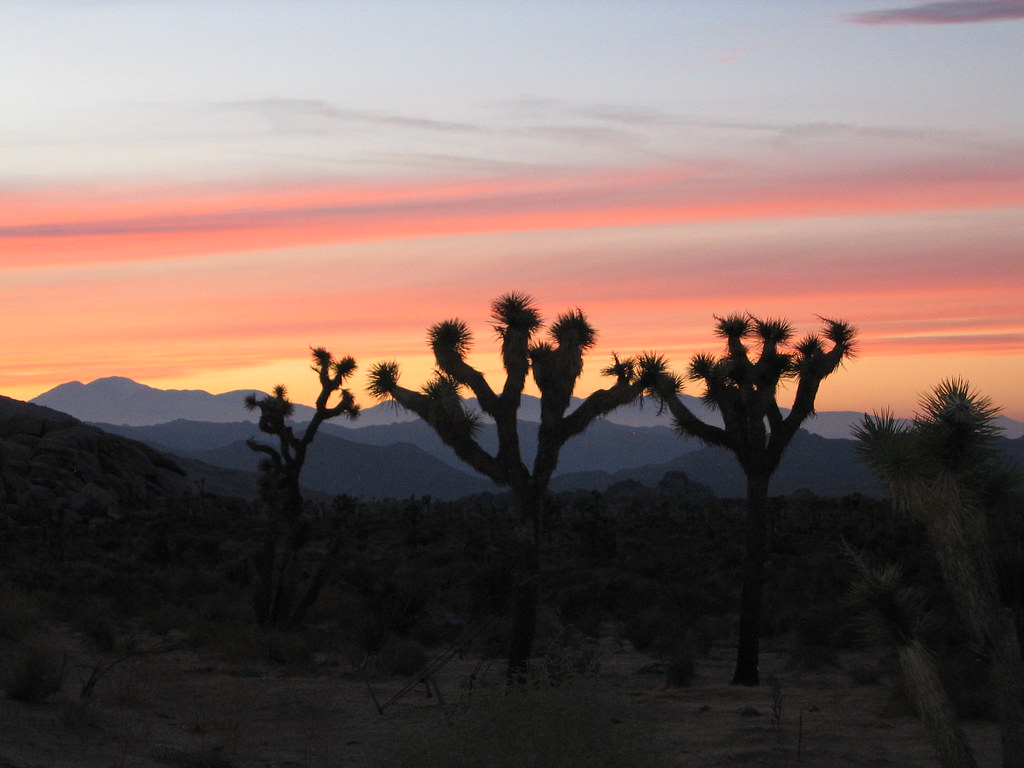
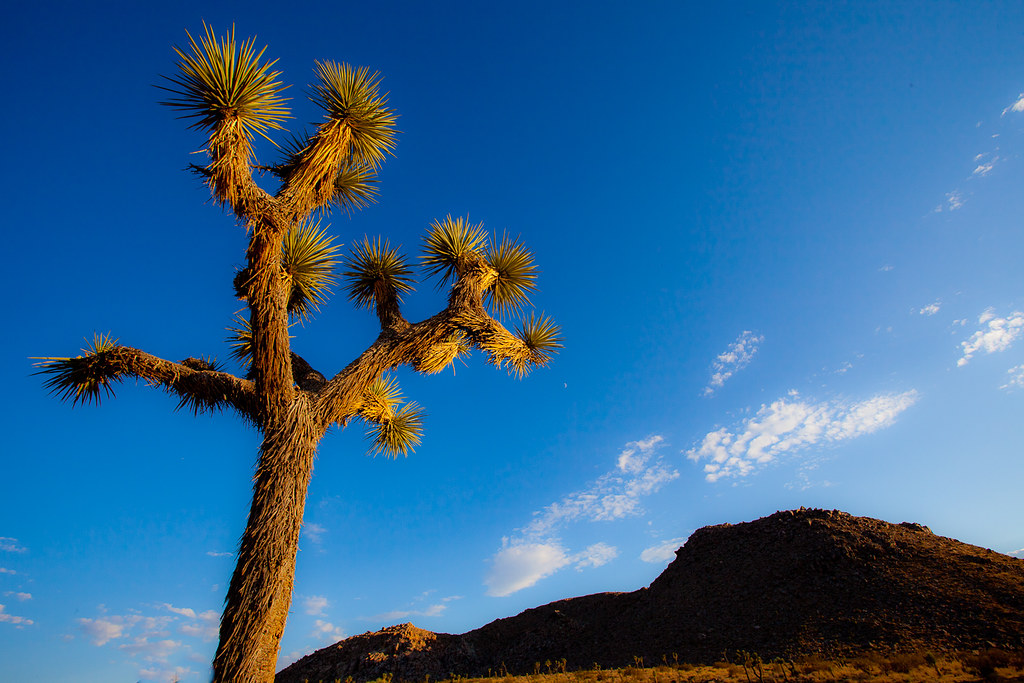
The first time we drove into Joshua Tree, we pulled over three times in the first ten minutes just to stare. Nothing quite prepares you for a landscape where twisted, Dr. Seuss-looking trees stretch to the horizon and piles of giant boulders look like they were dropped by a careless giant.
We have been back twice since, once for a long weekend of hiking and once as a side trip from Palm Springs, and this park has earned a permanent spot on our list of favorite national parks. It is strange, beautiful, surprisingly varied, and one of the easiest national parks in the country to visit on a whim.
This guide covers everything we wish we had known before our first trip: when to go, what to do, where the two deserts meet, where to stay, and how to avoid the mistakes we made (like showing up in July with one water bottle each).
Why Visit Joshua Tree?
Joshua Tree National Park sits where two deserts collide. The higher, cooler Mojave Desert covers the western half of the park, and this is where the famous Joshua trees grow. The lower, hotter Colorado Desert takes over the eastern half, with cholla cactus gardens and creosote flats that feel like another planet.
That collision is what makes the park special. In a single afternoon you can scramble over granite boulders, walk through a garden of glowing cactus, spot bighorn sheep near a fan palm oasis, and watch a sunset that turns the whole desert pink.
It is also one of the best stargazing spots in Southern California. The park is a designated International Dark Sky Park, and on a moonless night the Milky Way is bright enough to see without trying.
When to Visit Joshua Tree
Timing matters more here than at almost any park we have visited.
Spring (March to May)
This is prime time. Daytime temperatures sit in the 70s and 80s, wildflowers bloom after wet winters, and the Joshua trees themselves flower in clusters of creamy white blossoms. It is also the busiest season, so arrive at the park gates early on weekends.
Fall (October to November)
Our favorite season in the park. The crowds thin out after summer, temperatures drop back into the comfortable range, and the light gets golden and soft. If we could only visit once, we would pick late October.
Winter (December to February)
Winter days are usually sunny and cool, in the 50s and 60s, which is perfect hiking weather. Nights get genuinely cold, often below freezing, so campers need real sleeping bags. We have even seen a dusting of snow on the Joshua trees, which is as surreal as it sounds.
Summer (June to September)
We will be honest: summer is rough. Daytime highs regularly top 100 degrees, and the Colorado Desert side gets even hotter. If summer is your only option, hike at sunrise, carry far more water than you think you need, and spend midday in Palm Springs by a pool.
Getting to Joshua Tree
The park sits about 2.5 hours east of Los Angeles and 45 minutes from Palm Springs. Palm Springs International Airport is the closest airport, and flying there and renting a car is by far the easiest approach. We paired our last visit with a few desert-modern days in town, and the combination worked perfectly. Our Palm Springs travel guide covers that side of the trip.
There are three entrances. The West Entrance near the town of Joshua Tree is the most popular and has the longest lines. The North Entrance at Twentynine Palms is usually faster. The South Entrance off Interstate 10 drops you into the Colorado Desert side and works well if you are coming from the east.
One important note: there is no lodging, food, or gas inside the park, and cell service disappears almost immediately. Fill your tank, download offline maps, and pack more water than feels reasonable. The park recommends two gallons per person per day in warm weather, and we now treat that as a rule.
The Best Things to Do in Joshua Tree
Hidden Valley Nature Trail
If you only have time for one short walk, make it this one. The one mile loop winds through a boulder-enclosed valley that cattle rustlers supposedly used as a hideout. The rock formations are spectacular, the Joshua trees are dense, and the whole loop takes under an hour.
Keys View
Drive up to this overlook in the late afternoon for a view that stretches across the entire Coachella Valley to the San Andreas Fault, Palm Springs, and on clear days the Salton Sea. Sunset here is one of the best free shows in California. Bring a jacket, because it is always windier than you expect.
Cholla Cactus Garden
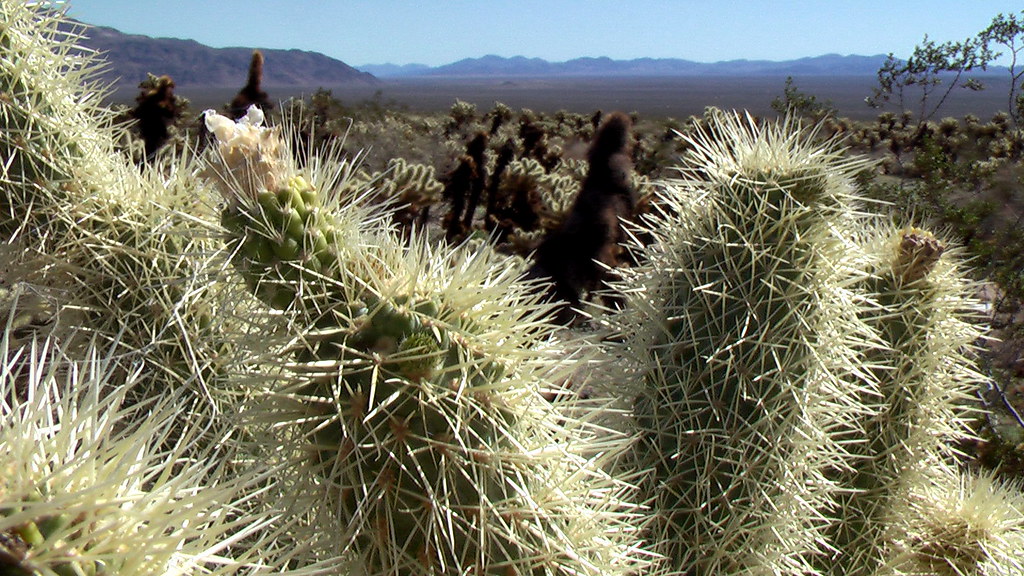
This stop alone justifies driving into the Colorado Desert half of the park. Thousands of teddybear cholla cactus cluster together in a natural garden, and when the sun is low they glow like they are lit from within. Go at sunrise or in the last hour before sunset. Stay on the trail, because those fuzzy-looking segments latch onto shoes and skin with surprising enthusiasm.
Arch Rock and Heart Rock
An easy 1.4 mile round trip trail from the White Tank area leads to a granite arch you can scramble around, with a short spur to the famous heart-shaped rock. It is a fun, photogenic stop that works for all ages.
Barker Dam
This 1.1 mile loop passes a small historic dam built by early ranchers. After wet winters the dam holds actual water, which draws bighorn sheep and a shocking amount of birdlife for a desert. Petroglyphs near the trail add a little history to the walk.
Ryan Mountain
The best workout in the park. The trail climbs about 1,000 feet in 1.5 miles to a summit with 360 degree views over the whole park. We did it in the morning before the heat built and it was the highlight of our second trip. Bring water even in winter, because there is zero shade.
Rock Climbing and Bouldering
Joshua Tree is one of the most famous climbing areas in the world, with thousands of routes on rough, grippy granite. We are not climbers, but guided half-day climbing intros are widely available and consistently get rave reviews from first-timers. Watching climbers work the cracks at Intersection Rock with morning coffee is a perfectly good spectator sport too.
Skull Rock and Jumbo Rocks
Right on the main park road, Skull Rock is exactly what it sounds like: a granite boulder that erosion has hollowed into a giant skull. It is an easy roadside stop, and the surrounding Jumbo Rocks area is the best casual scrambling in the park. Kids (and, fine, adults) can spend an hour climbing around the formations here. Come early or late, because the tiny pullout fills fast in the middle of the day.
Keys Ranch Tour
If you like a story with your scenery, book the ranger-led tour of Keys Ranch. Bill and Frances Keys raised a family and ran a working homestead in this remote desert for 60 years, and the preserved ranch, schoolhouse, and orchard make their stubbornness feel real. Tours are small and sell out, so reserve ahead on the park website.
Stargazing
Stay after dark at least one night. The park’s eastern reaches are darkest, but honestly, anywhere away from the west entrance delivers a sky most city dwellers have never seen. We laid a blanket on a picnic table at Hidden Valley and watched satellites cross the Milky Way. Check the moon phase before your trip; a new moon makes an enormous difference.
A Perfect One-Day Itinerary
Short on time? Here is exactly how we would spend a single day.
Enter through the West Entrance right when it opens. Hike Hidden Valley first while the light is soft and the parking lot is empty. Continue to Barker Dam for the morning, then picnic at Cap Rock.
In the early afternoon, drive the park road east, stopping at Skull Rock for photos. Continue down into the Colorado Desert for the Cholla Cactus Garden in the golden hour. Then backtrack up to Keys View for sunset, and grab a late dinner in the town of Joshua Tree afterward.
Where to Stay Near Joshua Tree
There is no lodge inside the park, so you will stay in one of the gateway towns or camp under the stars.
Joshua Tree and Yucca Valley
The town of Joshua Tree has the best collection of quirky desert rentals: airstreams, homesteader cabins, and design-forward houses with hot tubs and fire pits. It is the most atmospheric base and closest to the West Entrance.
Twentynine Palms
Closer to the North Entrance, Twentynine Palms has the most conventional hotels and generally lower prices. It is a practical, no-frills base that gets you into the park fast.
Palm Springs
If you want pools, restaurants, and nightlife after your park days, stay in Palm Springs and day-trip into the park. The 45 minute drive is easy, and you get the best of both worlds.
Camping in the Park
Jumbo Rocks, Hidden Valley, and Ryan campgrounds put you inside the boulder fields for sunrise and stargazing that hotel guests miss entirely. Most sites are reservation-only and book out months ahead for spring weekends, so plan early.
Where to Book
- Hotels and desert rentals: We use Booking.com to compare hotels in Joshua Tree, Yucca Valley, Twentynine Palms, and Palm Springs, with free cancellation on most stays.
- Tours and experiences: Viator lists guided hikes, rock climbing intros, stargazing tours, and day trips from Palm Springs and Los Angeles.
Practical Tips From Our Trips
Buy the America the Beautiful pass if you plan to visit more than two national parks in a year. At $80 it pays for itself quickly, and we use ours constantly across Zion, Bryce, and the other Southwest parks.
There is no water in the park. None. Fill bottles in town and carry more than you need.
Gas up before you enter. The nearest stations are in the gateway towns, and park distances are longer than they look on the map.
Download offline maps. Cell service dies at the entrance. We use downloaded Google Maps plus the park map handed out at the gate.
Watch the ground. Rattlesnakes are shy but present in warm months. We have seen exactly one in three trips, and it wanted nothing to do with us.
Leave the Joshua trees alone. They are slow-growing, fragile, and protected. Climbing on them for photos genuinely damages them.
Is Joshua Tree Worth It?
Absolutely. Joshua Tree delivers a completely different experience from the big canyon parks, and its compact size means even a single well-planned day feels satisfying. It is weird in the best possible way, easy to reach, and unforgettable after dark.
For us, the ideal version is two nights in the town of Joshua Tree or Palm Springs, two mornings of hiking, one sunset at Keys View, and one long evening under the stars. Simple, cheap by national park standards, and one of the most distinctive landscapes in America.
Planning a Southwest desert trip? Read our Palm Springs travel guide for the perfect base town, our Zion National Park guide for the next park on your list, and our Scottsdale travel guide for more desert sunshine.