Disclosure: This post contains affiliate links. If you book through our links, we may earn a small commission at no extra cost to you. Thanks for supporting Faceted Travel!
Table of Contents
- Why Rocky Mountain National Park Is Worth the Hype
- When to Visit Rocky Mountain National Park
- How to Get There and Getting Around
- Understanding the Timed-Entry Permit System
- The Best Hikes in Rocky Mountain National Park
- Driving Trail Ridge Road
- Where to Spot Wildlife
- Where to Stay Near Rocky Mountain National Park
- What to Pack
- Where to Book
- Our Honest Take
Rocky Mountain National Park sits about 90 minutes from our front door in Denver, and after countless trips up there we still get a little giddy on the drive in. There is a moment, right when the Estes Park valley opens up and the peaks stack up behind it, when you remember exactly why people fly across the country to see this place.
We are Todd and Kimberly, and Rocky Mountain is the park we know best. We have hiked it in July wildflower season, watched the elk bugle in September, and turned back from snowy trails in October. This guide is the one we wish we could hand every friend who asks us how to plan a first trip. Here is everything we have learned about doing it right.
Why Rocky Mountain National Park Is Worth the Hype
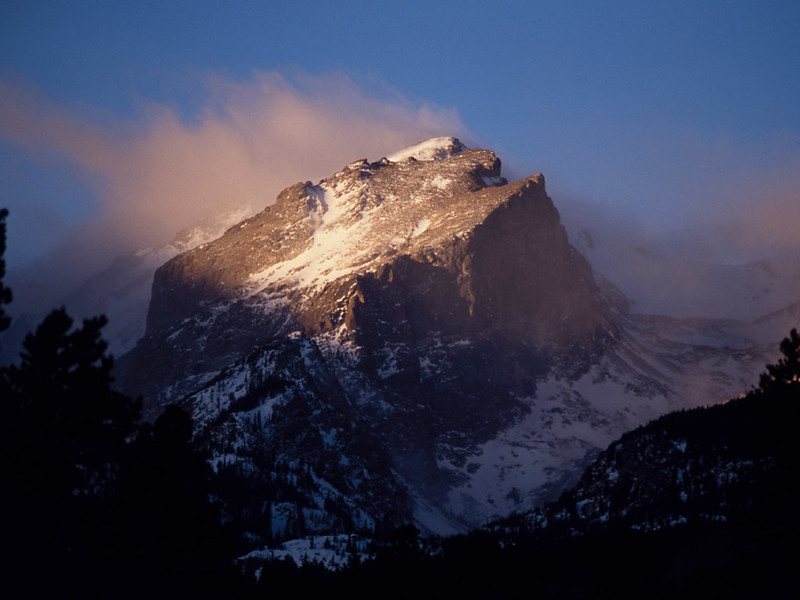
Rocky Mountain packs an absurd amount of scenery into a relatively compact area. You get alpine lakes, glacier-carved valleys, tundra above the treeline, and more than 70 peaks over 12,000 feet. Trail Ridge Road, the highest continuous paved road in the country, carries you up to 12,183 feet without breaking a sweat.
The wildlife is a huge part of the draw too. Elk, moose, bighorn sheep, marmots, and the occasional black bear all live here. In fall, the elk rut turns the meadows into a natural amphitheater, with bulls bugling across the valleys at dawn and dusk.
What we love most is the range of effort the park rewards. You can see jaw-dropping views from your car, or you can hike 14 miles to a remote alpine basin and have it almost to yourself. It works for grandparents, toddlers, and ultra-runners alike.
When to Visit Rocky Mountain National Park
There is no single best time, just trade-offs depending on what you want.
Summer (June to August)
Summer is peak season for good reason. Trail Ridge Road is fully open, wildflowers carpet the meadows, and every trail is accessible. The downside is crowds and the timed-entry permit system (more on that below). Afternoon thunderstorms are common, so we always start hikes early and aim to be off exposed ridges by noon.
Fall (September to early October)
Fall is our favorite season in the park. The aspens turn brilliant gold, the elk rut is in full swing, and the summer crowds thin out after Labor Day. Days are crisp and clear. The catch is that Trail Ridge Road can close for the season with the first big snow, sometimes as early as mid-October.
Winter (November to April)
Winter is quiet, snowy, and beautiful in a completely different way. The lower-elevation trails are great for snowshoeing, and you will share them with very few people. Trail Ridge Road is closed, so the high country is off-limits to cars, but the solitude is unbeatable.
Spring (May)
Spring is a transitional, slushy, unpredictable season. Lower trails start melting out while the high country stays buried. It is a fine time for waterfalls swollen with snowmelt and for avoiding crowds, but plan around lingering snow.
How to Get There and Getting Around
Most visitors fly into Denver International Airport, then drive about two hours to the park’s east entrances near Estes Park. If you are already exploring our home state, the park is an easy add-on. We cover the wider region in our Denver, Colorado travel guide and our roundup of the best day trips from Denver, and Rocky Mountain is the crown jewel of them all.
You will want a rental car. The park has a free shuttle system in the Bear Lake corridor during peak season, which is genuinely useful because parking there fills before sunrise, but to reach the trailheads and Estes Park you need your own wheels.
The park has two main sides. The east side, near Estes Park, is the busier and more developed entrance, with the famous Bear Lake area. The west side, near Grand Lake, is quieter, greener, and the best place to spot moose. Trail Ridge Road connects them in summer.
Understanding the Timed-Entry Permit System
This is the single most important thing to know before you go, and the thing first-timers most often miss. During peak season, roughly late May through mid-October, Rocky Mountain requires a timed-entry reservation in addition to your park pass.
There are two permit types. One covers the Bear Lake Road corridor (the most popular area), and one covers the rest of the park. You reserve a two-hour entry window in advance on Recreation.gov, and a batch of permits is released the day before for last-minute planners.
Our advice: book the moment reservations open if you have firm dates. If you strike out, you can still enter the park before the timed window starts (usually before 5am) or after it ends (usually after 6pm), which is also when the light is best for photos and wildlife anyway. We have done the pre-dawn entry many times and never regretted the early alarm.
The Best Hikes in Rocky Mountain National Park
The hiking here is the main event. Here are the trails we send people to first.
Bear Lake and Emerald Lake
This is the classic introduction. Bear Lake itself is a flat, easy loop right from the parking lot. Push on past Nymph and Dream Lakes to Emerald Lake for one of the most rewarding short hikes in the park, about 3.6 miles round trip with a glacial lake tucked under towering peaks. It gets busy, so go early.
Sky Pond
If you want one bigger adventure, make it Sky Pond. It is roughly 9 miles round trip and includes a fun scramble up a waterfall, ending at a dramatic pond ringed by jagged spires. It is challenging but doable for fit hikers, and it is one of the most beautiful places we have ever stood.
Alberta Falls
Short, sweet, and family-friendly at about 1.6 miles round trip, Alberta Falls is a great option if you have kids or limited time. The waterfall is roaring in early summer.
Deer Mountain
For huge panoramic views without the brutal mileage of the highest peaks, Deer Mountain delivers. It is about 6 miles round trip and gives you a 360-degree look at the Front Range.
A Note on Longs Peak
Longs Peak is the park’s only fourteener, and it is a serious, exposed, all-day mountaineering objective, not a casual hike. Unless you are experienced and prepared, admire it from below. We have huge respect for that mountain and the rescues it generates every year.
If you love national park hiking like this, you will probably also enjoy our guides to Grand Teton and Glacier National Park, two parks with a similar high-alpine feel.
Driving Trail Ridge Road
Even if you are not a hiker, Trail Ridge Road alone justifies the trip. It climbs above the treeline into genuine alpine tundra, a fragile ecosystem that feels more like the Arctic than Colorado. There are overlooks the whole way, plus the Alpine Visitor Center at the top.
Bring a jacket no matter the season. It can be 80 degrees in Estes Park and 45 with biting wind at the summit. The drive across to Grand Lake takes a couple of hours with stops, and we think it is worth every minute.
Watch for marmots and pikas in the rocks, and please stay on marked trails up here. The tundra plants take hundreds of years to grow and one careless boot can undo decades.
Where to Spot Wildlife
Wildlife viewing is best at dawn and dusk. For elk, the meadows of Moraine Park and Horseshoe Park on the east side are reliable, especially during the fall rut. For moose, head to the west side near the Kawuneeche Valley and Grand Lake.
Bighorn sheep frequent Sheep Lakes in Horseshoe Park in early summer. Keep your distance from all wildlife (the park requires staying at least 75 feet from most animals and 120 feet from bears and moose), use a zoom lens, and never feed anything. We carry binoculars on every trip and it transforms the experience.
Where to Stay Near Rocky Mountain National Park
The park has five campgrounds, and they book up months ahead for summer, so reserve early on Recreation.gov if camping is your thing.
If you prefer a real bed, Estes Park is the obvious east-side base. It is a charming mountain town with lodges, cabins, restaurants, and the historic Stanley Hotel (yes, the one that inspired The Shining). Grand Lake, on the quieter west side, is smaller and more low-key, sitting right on Colorado’s largest natural lake.
We usually base ourselves in Estes Park because it puts the Bear Lake trailheads within easy pre-dawn reach. Whichever town you choose, book well ahead in summer and fall, because rooms get scarce and pricey.
What to Pack
Mountain weather is the theme here. Layers are non-negotiable, since you can experience sun, wind, rain, and even snow in a single day above the treeline. We always carry a rain shell, a warm mid-layer, a hat, and gloves even in July.
Altitude is the other big factor. The park ranges from about 7,500 feet to over 12,000 feet, and if you are coming from sea level you will feel it. Drink far more water than feels necessary, take it easy your first day, and do not be surprised by a headache. Sunscreen is critical at altitude, where the sun is fierce.
Solid hiking shoes, a daypack, snacks, and a downloaded offline map round out the kit. Cell service is spotty to nonexistent in much of the park. For a fuller rundown of how we pack for trips like this, our packing list for Europe covers a lot of the same layering philosophy that works in the Rockies.
Where to Book
Here is how we put a Rocky Mountain trip together:
Hotels and Lodges: We compare places in Estes Park and Grand Lake on Booking.com, filtering by location so we are close to the entrance we plan to use most. Book early for summer and fall.
Tours and Experiences: Guided hikes, wildlife safaris, horseback rides, and rafting trips near the park are easy to compare and reserve on Viator. A guided wildlife tour during the elk rut is a memorable splurge.
Timed-Entry Permits: These come directly from Recreation.gov, not a third party, so go straight to the source and book the day they release.
Rental Car: Reserve ahead out of Denver International Airport, since you will need a vehicle to reach the park and the trailheads.
Our Honest Take
Rocky Mountain National Park is, in our slightly biased Colorado opinion, one of the most rewarding parks in the country, and the easiest world-class wilderness to reach from a major airport. The timed-entry system takes a little planning, the altitude demands respect, and the popular trailheads fill fast. But the payoff is alpine scenery that genuinely stops you in your tracks.
Start early, pack layers, give yourself time to acclimate, and let the park surprise you. If you are building out a bigger Colorado trip, pair this with our Denver travel guide and our list of the best day trips from Denver. And if the high-country bug bites, our Yellowstone and Zion guides will help you plan the next one. See you on the trail.