
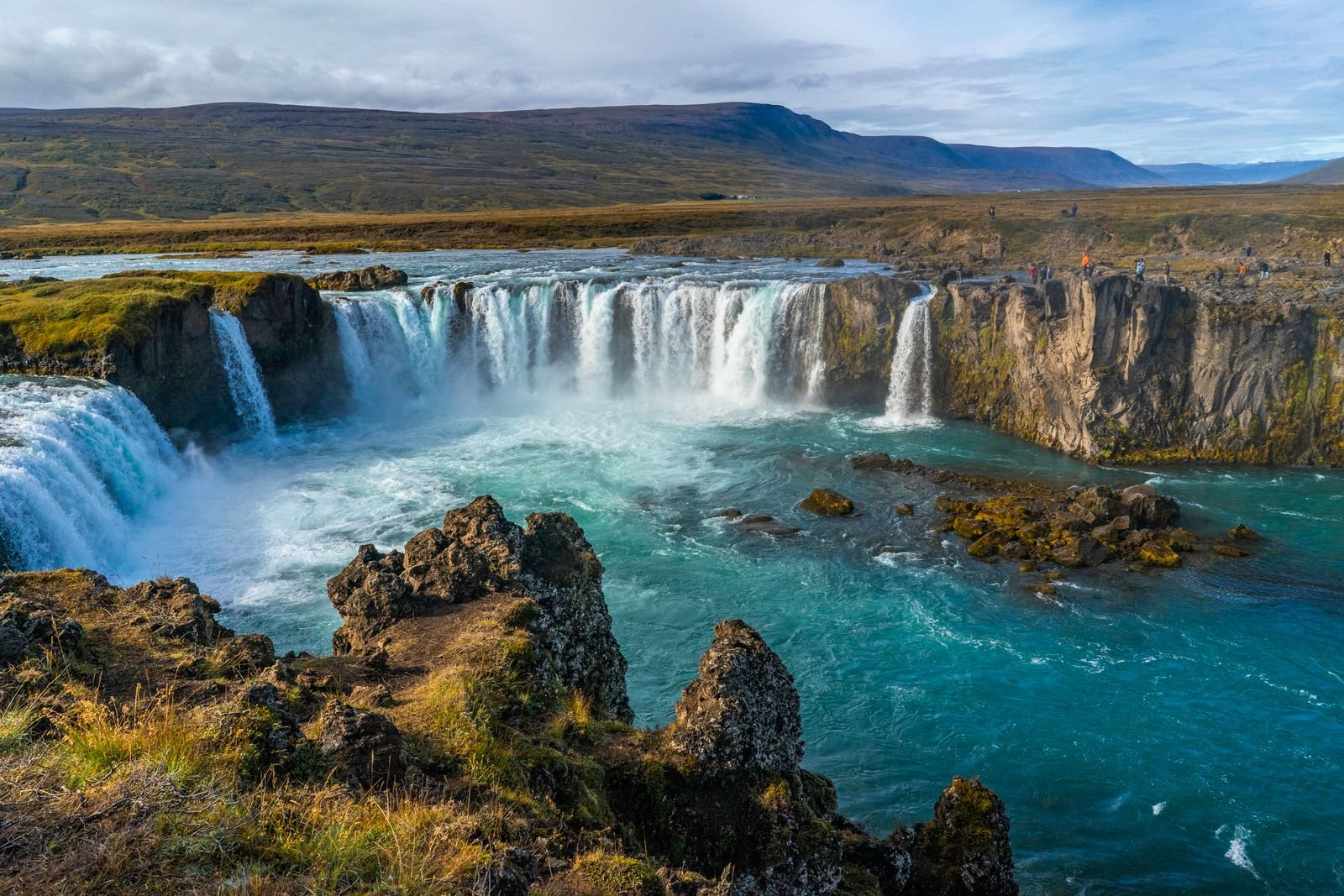
Iceland on a budget — we’ve been researching and testing travel strategies for years, and this guide covers everything you need to know. This post contains affiliate links. If you book through our links, we may earn a small commission at no extra cost to you. We spent 10 days road-tripping Iceland and this is what we learned.
Table of Contents
Table of Contents
Table of Contents
Iceland costs a lot — until you figure out how to do it right, and then it costs a reasonable amount for one of the most extraordinary places on Earth. The country has a reputation for being wallet-destroying, and that reputation is earned if you walk into it unprepared. But with smart planning, a rental car, and a willingness to cook a few of your own meals, Iceland on a budget is absolutely achievable — and the experience is unchanged. The waterfalls are still the same waterfalls. The Northern Lights don’t check your bank account before performing.
Here’s how we did 10 days in Iceland — Reykjavik and well beyond — without spending a fortune, and what we’d do exactly the same again.
When to Go to Iceland on a Budget
Timing matters enormously for Iceland costs. Shoulder season (April–May and September–October) hits the sweet spot: lower accommodation prices than peak summer, fewer crowds, and real seasonal magic — wildflowers in spring, autumn colors and the first Northern Lights sightings in fall. Summer (June–August) brings the Midnight Sun and the most accessible roads, but hotel prices spike and the Ring Road becomes genuinely busy.
Winter (November–March) is the cheapest season and the Northern Lights season, but some highland roads close and weather can limit access to certain sights. If Northern Lights are a priority and budget is tight, January–February is your window.
Getting Around: Rent a Car
A rental car is not a luxury in Iceland — it’s the only sensible way to see the country beyond Reykjavik. Iceland’s public transportation outside the capital is essentially nonexistent. A car unlocks the entire Ring Road (Route 1), the Snæfellsnes Peninsula, the Westfjords, and every waterfall and canyon along the way.
A small economy car is fine for the Ring Road in summer and shoulder season. For winter driving or any F-road (highland) access, you’ll need a 4WD, ideally a proper SUV. Book your car as early as possible — Iceland rental car prices rise sharply as your travel date approaches. Check Rentalcars.com or directly through Hertz, Avis, and Europcar Iceland for best rates.
Budget tip: Fuel in Iceland is expensive. A smaller, more fuel-efficient car saves real money over 10 days. Also, buy your fuel outside Reykjavik — station prices are slightly lower outside the capital.
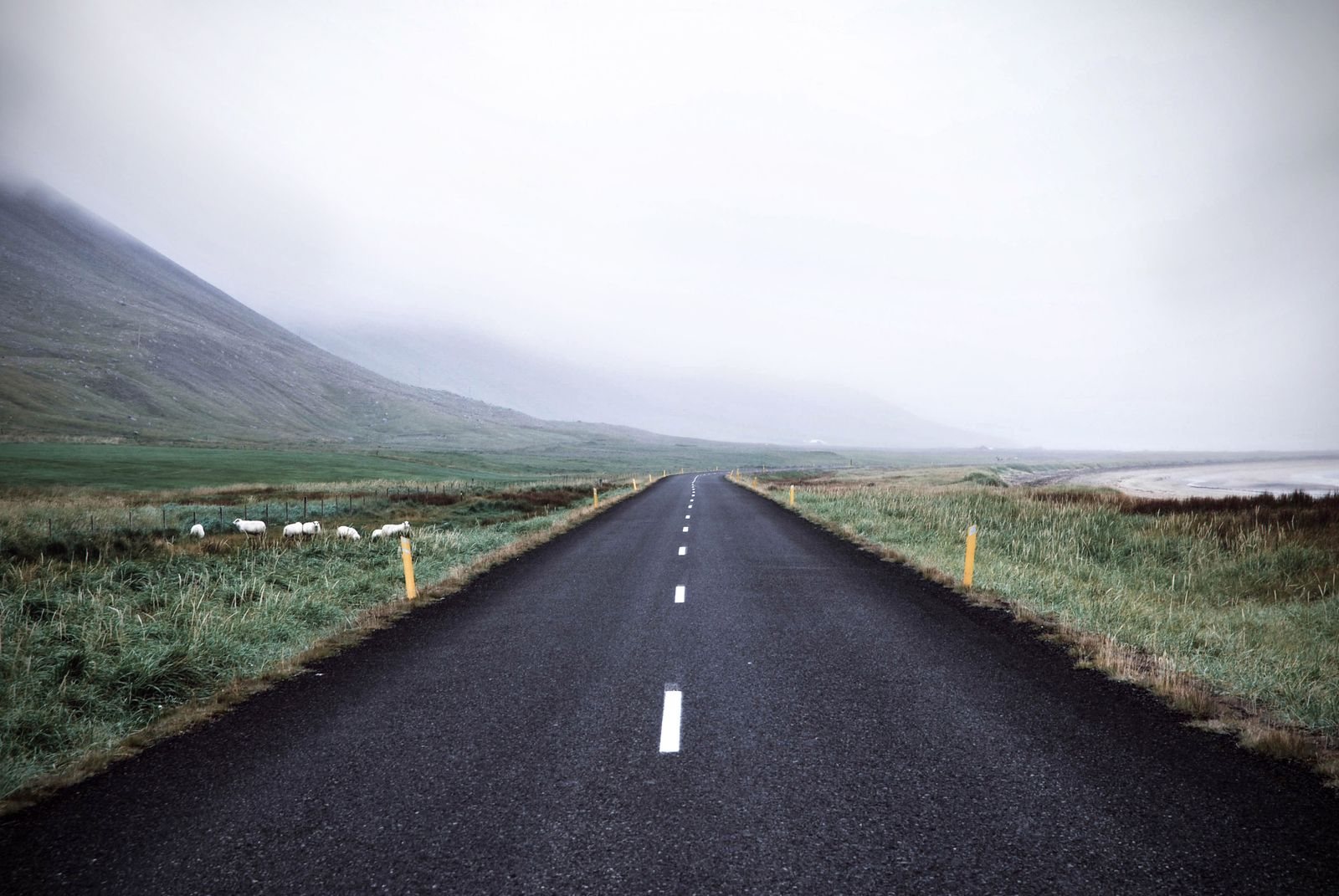
10-Day Iceland Itinerary: Reykjavik and Beyond
Days 1–2: Reykjavik
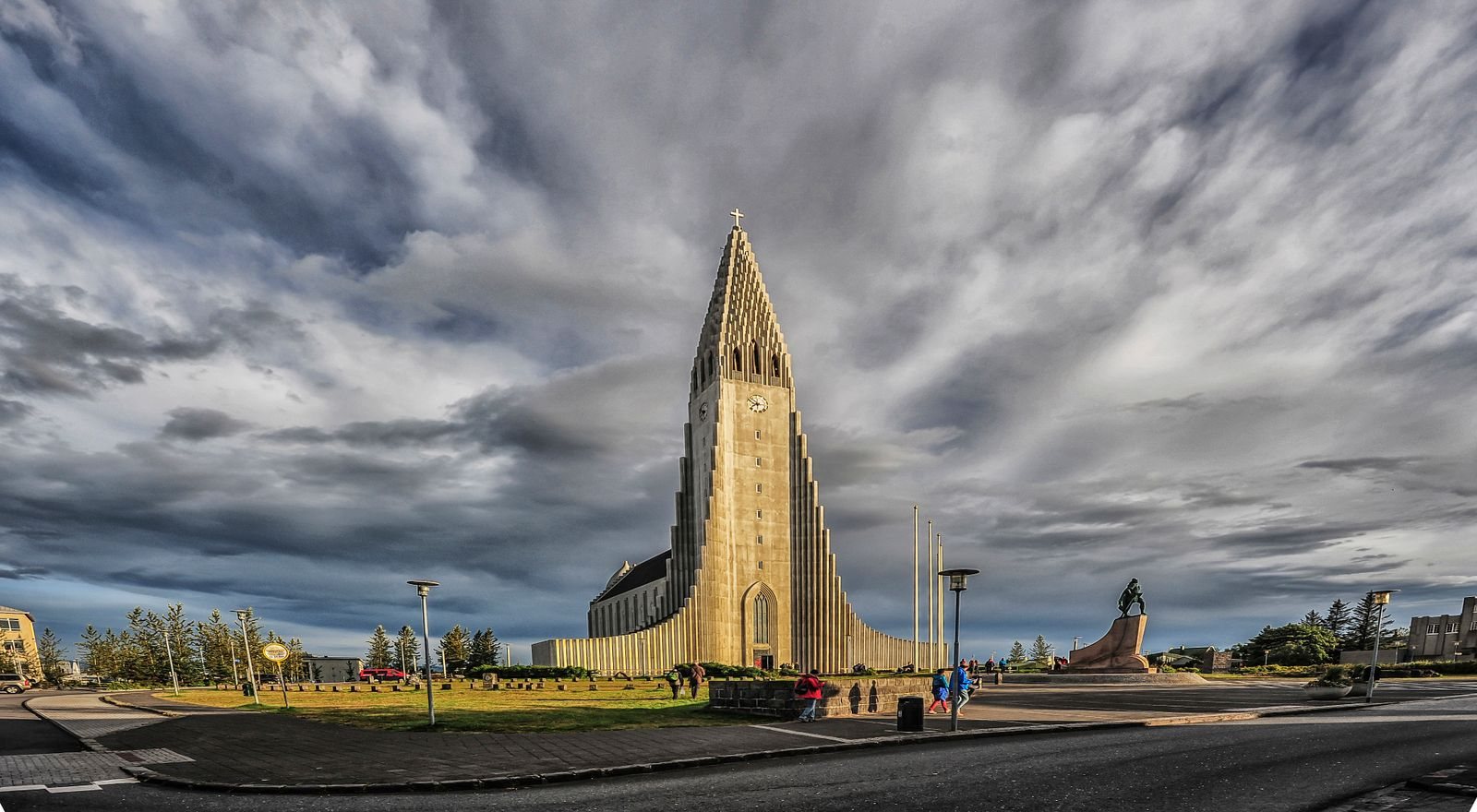
Iceland’s compact capital is worth two full days before you hit the road. The Old Harbour area has become the city’s most energetic neighborhood — great restaurants, whale watching tours, and the FlyOver Iceland experience. Hallgrímskirkja, the concrete church shaped like a basalt column formation, towers over the city and offers panoramic views from its tower for a small fee.
Walk Laugavegur, Reykjavik’s main commercial street, for coffee shops, wool sweater shops, and restaurants. The Reykjavik Art Museum and the National Museum of Iceland are both excellent and inexpensive.
Budget tip: Reykjavik restaurants are expensive. The city’s hot dog stands (pylsur) serve the most famous hot dogs in Iceland for about $5 — locally made lamb sausage with crispy onions and remoulade. The line outside Bæjarins Beztu Pylsur at the harbour has included Bill Clinton and Anthony Bourdain. It’s worth it.
Days 3–4: The Golden Circle
The Golden Circle is Iceland’s classic day trip circuit — entirely drivable in a day, though two days lets you absorb it properly. The three anchors are Þingvellir National Park (where the Eurasian and North American tectonic plates meet, and where Iceland’s first parliament was established in 930 AD), Geysir Geothermal Area (Strokkur erupts every 5–10 minutes, shooting a column of boiling water 20–30 meters high), and Gullfoss Waterfall (a double-tier cascade into a dramatic canyon that appears from nowhere on the flat plateau).
All three are free to enter. Spend a night in the Golden Circle area to avoid the day-trip crowds from Reykjavik and experience the landscape at dawn and dusk.
Days 5–6: South Coast
The south coast of Iceland is arguably the most visually varied stretch of the Ring Road. Seljalandsfoss (a waterfall you can walk behind — wear waterproofs), Skógafoss (one of Iceland’s most powerful and photogenic falls), Reynisfjara Black Sand Beach (dramatic black sand, basalt columns, and dangerous sneaker waves — stay back), and Jökulsárlón Glacier Lagoon (icebergs calving from Vatnajökull glacier floating into a glassy lagoon) are all here.
Jökulsárlón is one of the most surreal landscapes on Earth. Walk the adjacent Diamond Beach, where translucent blue ice chunks wash up on the black sand like jewels. It costs nothing and looks like a film set.
Days 7–8: Vatnajökull and the East
Vatnajökull is Europe’s largest glacier, covering 8% of Iceland’s total area. Glacier walks and ice cave tours on Vatnajökull are among Iceland’s most extraordinary experiences — you’ll walk on 1,000-year-old ice, peer into crevasses, and enter blue ice caves that look like something from another planet.
Book a Vatnajökull glacier walk or ice cave tour on Viator — these require a certified guide and are not DIY. The tours are genuinely worth the cost and are among the most memorable days you’ll have anywhere in Iceland.
Days 9–10: Snæfellsnes Peninsula (or back to Reykjavik via Westfjords)
The Snæfellsnes Peninsula, jutting into the Atlantic on Iceland’s west coast, is often called “Iceland in miniature” — glaciers, lava fields, fishing villages, dramatic sea cliffs, and the iconic Snæfellsjökull glacier volcano (Jules Verne’s fictional entry point to the center of the Earth). It’s a 2-hour drive from Reykjavik and largely uncrowded compared to the south coast.
Drive the full peninsula loop — Kirkjufell mountain (the most photographed mountain in Iceland, familiar from Game of Thrones) on the north side, Arnarstapi and Hellnar fishing villages on the south, and the glacier at the tip. Sleep in Stykkishólmur, a charming harbor town on the north coast.
Iceland Budget Tips That Actually Work
Stay in Guesthouses and Hostels
Hotel prices in Iceland are genuinely high. Guesthouses (often family-run farmstays along the Ring Road) offer comfortable rooms with breakfast for significantly less. Hostels with private rooms in Reykjavik run $80–120/night versus $200+ for mid-range hotels. Search Iceland guesthouses and hostels on Booking.com — filter by “breakfast included” to maximize value.
Cook Your Own Meals
Restaurant meals in Iceland average $25–40 per main course. A week of restaurant lunches and dinners can add $500–700 per person to your trip cost. Most guesthouses have guest kitchens. Grocery stores (Krónan, Bonus, and Nettó are the cheapest chains) make self-catering very achievable. Cook breakfast and dinner; eat out for lunch when you want to.
Get Travel Insurance
Iceland’s terrain is genuinely wild, and adventure activities (glacier hikes, horseback riding, ATV tours) carry real risk. Standard travel insurance often doesn’t cover adventure sports. World Nomads travel insurance is specifically designed for adventure travelers and covers the activities most Iceland visitors want to do. Get it before you go — medical evacuation in Iceland is not cheap.
Free Things to Do in Iceland
Most of Iceland’s greatest hits are completely free: Þingvellir National Park, Geysir, Gullfoss, Jökulsárlón, every waterfall, every beach, every mountain view. The Northern Lights are free. The Midnight Sun is free. Most of what makes Iceland extraordinary doesn’t cost a thing — only accommodation, transport, and food.
Iceland Budget Reality Check
A realistic daily budget for Iceland in shoulder season, per person based on two travelers sharing:
- Budget traveler (hostel + self-catering): $120–150/day
- Mid-range (guesthouse + one restaurant meal): $180–220/day
- Comfortable (hotel + mostly eating out): $280–350/day
For a 10-day trip, that means roughly $1,200–1,500 at the budget end, $1,800–2,200 mid-range, all in (excluding flights). Not cheap — but for what Iceland delivers, genuinely worth it.
Where to Book Your Iceland Trip
- Accommodation: Booking.com Iceland — best selection of guesthouses, hostels, and hotels with flexible cancellation
- Tours & activities: Viator Iceland — glacier walks, Northern Lights tours, whale watching, Golden Circle day trips
- Travel insurance: World Nomads — covers adventure activities that standard policies exclude
- Car rental: Rentalcars.com or direct with Hertz/Avis Iceland — book early for best rates
Iceland rewards every dollar you put into it. Go once and you’ll spend the rest of your life talking about it — and planning the return.

2 Comments
Comments are closed.