Disclosure: This post contains affiliate links. If you book through our links, we may earn a small commission at no extra cost to you. Thanks for supporting Faceted Travel!
Table of Contents
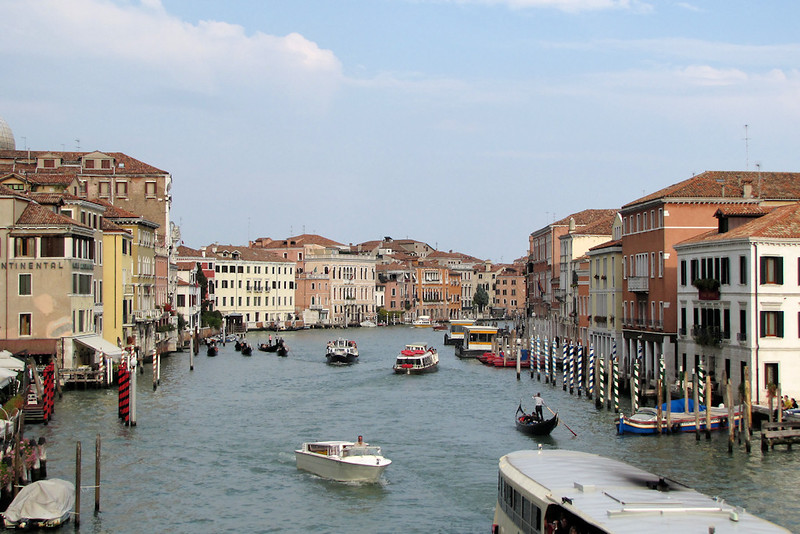
The first time we stepped out of Venice’s train station and saw the Grand Canal right there, with vaporettos chugging past and palazzos rising straight out of the water, we both just stopped and laughed. No road, no cars, just a city built on the sea. It is one of those places that somehow exceeds the photos.
We are Todd and Kimberly, and Venice is a city we have come back to more than once, because a single visit never feels like enough. It is romantic, strange, crowded, quiet, expensive, and free all at once, depending on which corner you turn. This guide pulls together everything we have learned about visiting the floating city without the rookie mistakes.
Why Venice Is Like Nowhere Else
There is genuinely no other city on earth like Venice. Built across 118 small islands in a lagoon, connected by more than 400 bridges, it has no cars, no scooters, and no bicycles. You get around on foot or by boat, full stop. That single fact changes the entire rhythm of a visit.
The city is a layer cake of history, a thousand years of trade, art, and power stacked into Gothic palaces, Byzantine domes, and hidden churches stuffed with masterpieces. Getting lost in the back lanes, away from the crowds, is the whole point. Some of our favorite Venice moments happened when we had no idea where we were.
When to Visit Venice
Venice has real high and low seasons, and timing makes a big difference.
Spring and Fall (April to June, September to October)
These shoulder months are our pick. The weather is pleasant, the light is gorgeous, and the crowds, while still present, are manageable. We especially love early fall, when the summer crush eases but the days stay warm.
Summer (July and August)
Summer is hot, humid, and packed. The narrow lanes get genuinely crowded, prices peak, and the lagoon can carry a smell on the hottest days. If summer is your only option, go early in the morning and late in the evening when day-trippers and cruise crowds thin out.
Winter (November to March)
Winter Venice is moody, misty, and atmospheric, with far fewer tourists and lower hotel prices. Carnevale in February brings the famous masks and costumes and a surge of visitors. Just know that acqua alta, the seasonal high water that floods low areas like St. Mark’s Square, is most common from autumn through early spring. Pack waterproof boots and check the tide forecast.
Getting to and Around Venice
Most travelers arrive by train into Venezia Santa Lucia station, which deposits you right on the Grand Canal, or fly into Marco Polo Airport and take a bus or water taxi in. Important rookie note: get off at Santa Lucia, not Venezia Mestre, which is the mainland stop.
Once you are in the city, your options are your own two feet and the vaporetto, the public water bus. A vaporetto pass for one to seven days is well worth it and makes hopping between islands easy. Private water taxis are gorgeous and convenient but pricey, best saved for a special arrival or a heavy-luggage day.
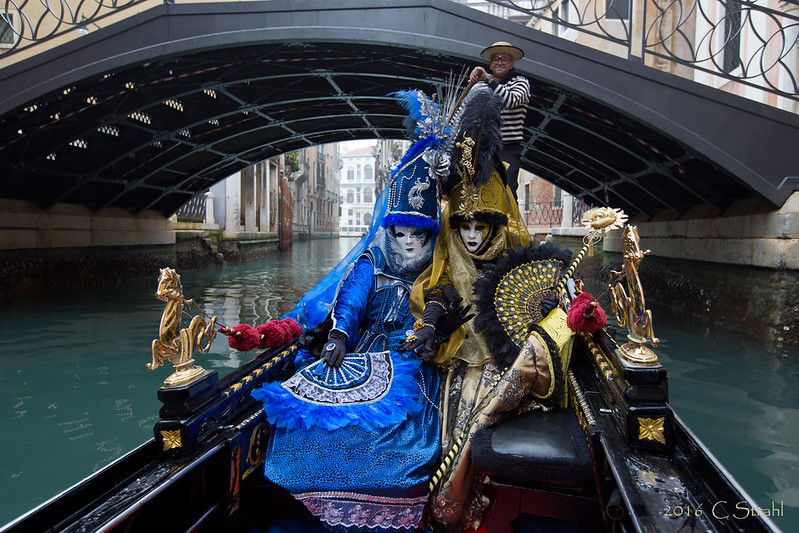
A word on the gondola: yes, it is touristy, and yes, it is expensive (a standard ride is a fixed rate for about 30 minutes). We still think it is worth doing once, ideally at golden hour through the quiet back canals rather than the busy Grand Canal. Just know what you are paying going in.
Wear comfortable shoes you do not mind on uneven stone, and accept that you will get lost. Embrace it. Google Maps struggles in the tangle of alleys, and wandering is half the magic anyway.
The Best Things to Do in Venice
St. Mark’s Square and Basilica
Piazza San Marco is the grand heart of the city, ringed by arcades, cafes, and the breathtaking St. Mark’s Basilica with its golden mosaics. Climb the Campanile bell tower for a sweeping view over the rooftops and lagoon. Go early to beat the lines, and book timed entry for the basilica ahead of time.
Doge’s Palace
Right beside the basilica, the Doge’s Palace is a stunner of Venetian Gothic architecture and the former seat of the Venetian Republic’s power. The Secret Itineraries tour, which takes you through the prisons and across the Bridge of Sighs, is one of the best guided experiences in the city.
The Rialto Bridge and Market
The Rialto is the oldest and most famous bridge over the Grand Canal, and the nearby market is where Venetians have bought fish and produce for centuries. Go in the morning to see it alive, then grab a coffee and watch the canal traffic.
Get Lost in the Neighborhoods
Beyond the headline sights, wander the quieter sestieri (districts) like Cannaregio and Dorsoduro. This is where you find local bars, hidden squares, artisan shops, and the Venice that still feels lived-in. Honestly, this is our favorite thing to do here.
Day Trips to the Lagoon Islands
The lagoon islands are an easy and rewarding escape from the main crowds, and a vaporetto gets you there.
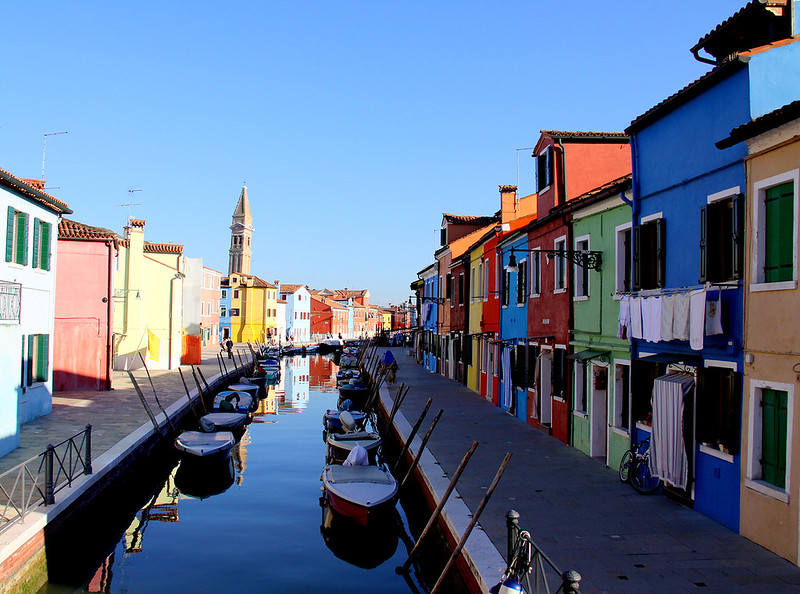
Murano is famous for its centuries-old glass-blowing tradition, and you can watch artisans at work. Burano is the postcard island, a fishing village of brilliantly painted houses and delicate lacework, and it is one of the most photogenic places we have ever visited. Torcello, sleepy and ancient, holds a stunning Byzantine cathedral and a real sense of where Venice began.
We usually combine Murano and Burano into one half-day loop. Burano alone is worth the trip.
What and Where to Eat in Venice
Venetian food is its own delicious thing, heavy on seafood from the lagoon. Here is what to seek out.
Cicchetti are the local version of tapas, small plates and bites served in casual bars called bacari. A cicchetti crawl, hopping bar to bar with a glass of wine, is our favorite way to eat in Venice and a great value in a pricey city. Look for crostini topped with baccala mantecato (whipped salt cod), tiny fried seafood, and marinated vegetables.
Beyond the bacari, try risotto al nero di seppia (squid ink risotto), sarde in saor (sweet-and-sour sardines), and fresh seafood pasta. For dessert, a slice of tiramisu, which has roots in the wider Veneto region.
One honest tip: avoid the restaurants with photo menus and pushy hosts right on St. Mark’s Square. Walk a few lanes inward and you will eat better for less. And be aware that many places add a coperto (cover charge) per person, which is normal and listed on the menu.
If Italy has you hungry for more, we have full guides to Rome, Florence, and the Amalfi Coast, and Venice pairs beautifully with any of them on a longer trip.
Where to Stay in Venice
Where you sleep shapes your whole experience. We strongly recommend staying in Venice proper, on the islands, rather than on the mainland in Mestre. Yes, it costs more, but waking up in the quiet city after the day-trippers leave is the real Venice, and it is worth it.
San Marco is central and convenient but the priciest and busiest. Dorsoduro is artsy and a little calmer, with great museums and student energy. Cannaregio is more residential and local-feeling, often with better value. Castello, east of San Marco, gets you space and authenticity within walking distance of the sights.
Whichever you choose, book early, especially in shoulder season and during Carnevale, and check how far the hotel is from a vaporetto stop if you are hauling luggage over bridges.
Smart Tips for Visiting Venice
A few things we wish we had known sooner. Carry some cash, because small bacari and shops do not always take cards. Fill your water bottle at the public fountains, which run clean, free drinking water all over the city. Respect the acqua alta forecast and the raised walkways the city sets out during flooding.
Be a considerate guest, because Venice’s residents are dealing with serious over-tourism. Stick to the right when walking, do not picnic or swim in restricted areas, and consider that the city now charges a day-tripper access fee on certain peak days, so check current rules before you go.
Finally, do not over-schedule. Venice rewards slowness. Two or three nights lets you see the highlights and still leave time to simply wander. For the wider logistics of a European trip, our packing list for Europe and our guide to the best travel insurance for Europe cover the practical stuff we never skip.
The Best Photo Spots in Venice
Venice might be the most photogenic city we have ever set foot in, so it is worth knowing where the best shots hide. The view of the Grand Canal from the Rialto Bridge is a classic, and it is even better just after sunrise before the crowds arrive. For the postcard look down the Grand Canal toward Santa Maria della Salute, the wooden Accademia Bridge in Dorsoduro is hard to beat at golden hour.
Burano, with its rainbow of painted fishermen’s houses, is a photographer’s dream and our single favorite spot for color. Back in the main city, the back canals of Cannaregio and the quiet campos (squares) early in the morning give you that empty, dreamlike Venice without a single tour group in the frame. And do not forget to look up: the courtyards, carved well-heads, and laundry strung between buildings are as Venetian as the famous landmarks.
One gentle reminder while you chase the perfect shot: people actually live here. Be respectful around residences, do not block narrow bridges for a photo while others are trying to pass, and never set up a tripod where it gets in the way. A little courtesy keeps Venice welcoming for everyone.
How Many Days Do You Need in Venice
This is the question we get asked most, s