
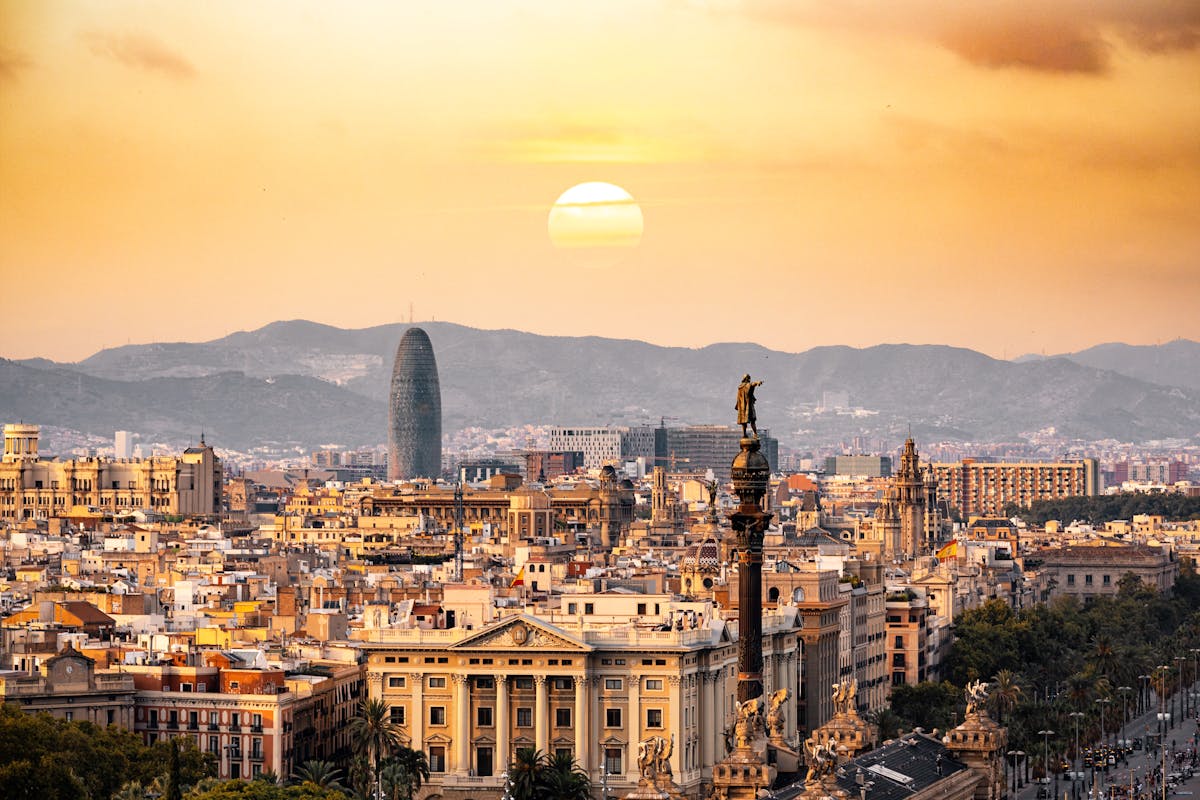
Seville spain travel guide — we’ve been researching and testing travel strategies for years, and this guide covers everything you need to know. This post contains affiliate links. If you book or buy something through our links, we may earn a small commission at no extra cost to you. Thanks for supporting Faceted Travel!
Table of Contents
Table of Contents
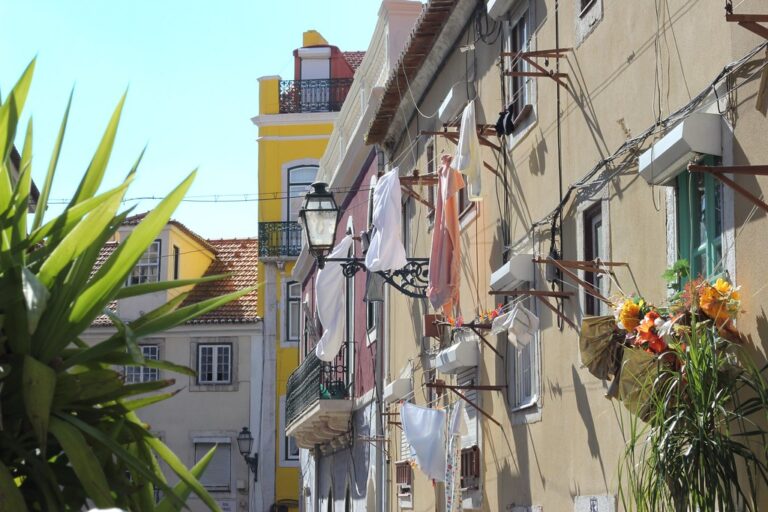
If you’ve ever doubted whether one city could contain this much beauty, history, and sensory overload in a walkable area — Sevilla will correct that immediately. The capital of Andalusia is one of the most atmospheric cities in all of Europe, and it deserves far more attention than it typically gets from travelers who head straight to Barcelona or Madrid.
We spent four days in Sevilla and could have stayed twice as long. Here’s everything you need to plan your trip to this extraordinary city.
Why Sevilla Should Be on Your Spain Itinerary
Sevilla hits differently than other Spanish cities. It’s smaller, slower, and more intensely local than Barcelona or Madrid. The historic center is compact enough to walk everywhere. The architecture — Moorish, Gothic, Renaissance, Baroque — is staggering. The food scene is outstanding and remarkably affordable. And then there’s flamenco, which was born here in Andalusia and reaches its most authentic expression in the tablaos and peñas of Sevilla.
It’s also genuinely hot in summer (40°C/104°F is not unusual in July and August), which is why spring and fall are the ideal times to visit. April during Semana Santa (Holy Week) or the Feria de Abril (April Fair) is extraordinary but crowded and expensive — book well in advance if you’re targeting those weeks.
The Alcázar: Sevilla’s Crown Jewel
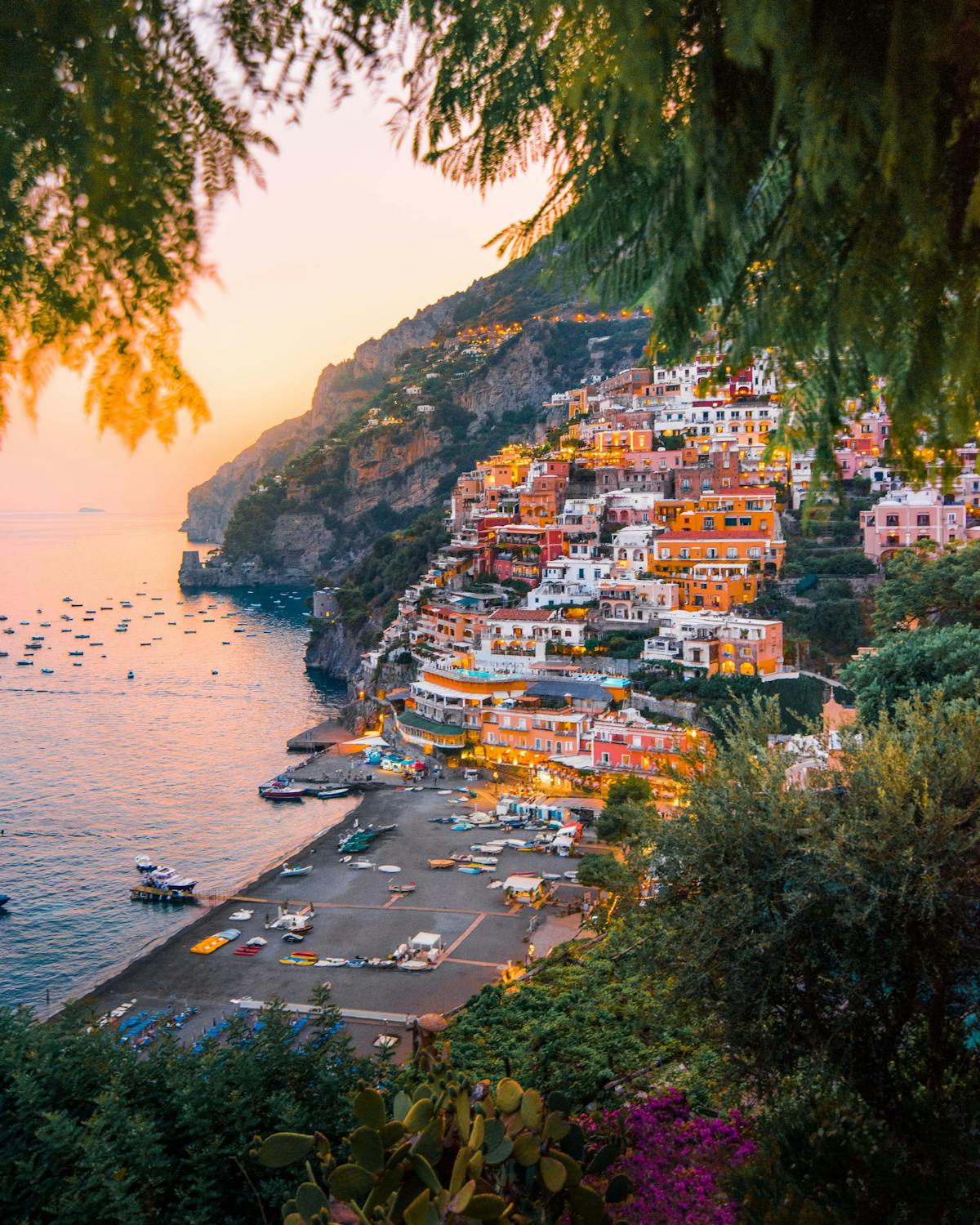
The Real Alcázar of Sevilla is one of the most beautiful buildings in Europe, full stop. This royal palace complex — still in use by the Spanish royal family — is a masterpiece of Mudéjar architecture: Moorish design and craftsmanship executed by Muslim artisans for Christian rulers after the Reconquista. The result is something that exists nowhere else: intricate geometric tilework, carved stucco arches, and garden courtyards that feel lifted from a dream.
You’ll recognize it if you’ve seen Game of Thrones — the Water Gardens scenes were filmed here. Budget 2–3 hours minimum. Book tickets online in advance (alcazarsevilla.org) — lines without tickets can be 90+ minutes. Consider a guided Alcázar tour through Viator for expert historical context and skip-the-line access.
Triana: The Authentic Local Neighborhood
Cross the Guadalquivir River from the historic center to reach Triana, Sevilla’s most authentically local neighborhood. This is where the city’s flamenco and bullfighting traditions run deepest, where the ceramics workshops produce the famous Sevillano tiles, and where you’ll find tapas bars that serve locals rather than tourists. The Mercado de Triana is excellent for a mid-morning snack. Walking back across the Isabel II Bridge at sunset with the Sevilla skyline behind you is a perfect moment.
Sevilla Food and Tapas Culture
Sevilla is one of the great tapas cities of Spain — and unusually, many bars here still offer free tapas with every drink order (a tradition that has disappeared elsewhere). The local specialties to seek out: espinacas con garbanzos (spinach with chickpeas), carrillada (braised pork cheek), pescaíto frito (fried fish), and the excellent local fino sherry.
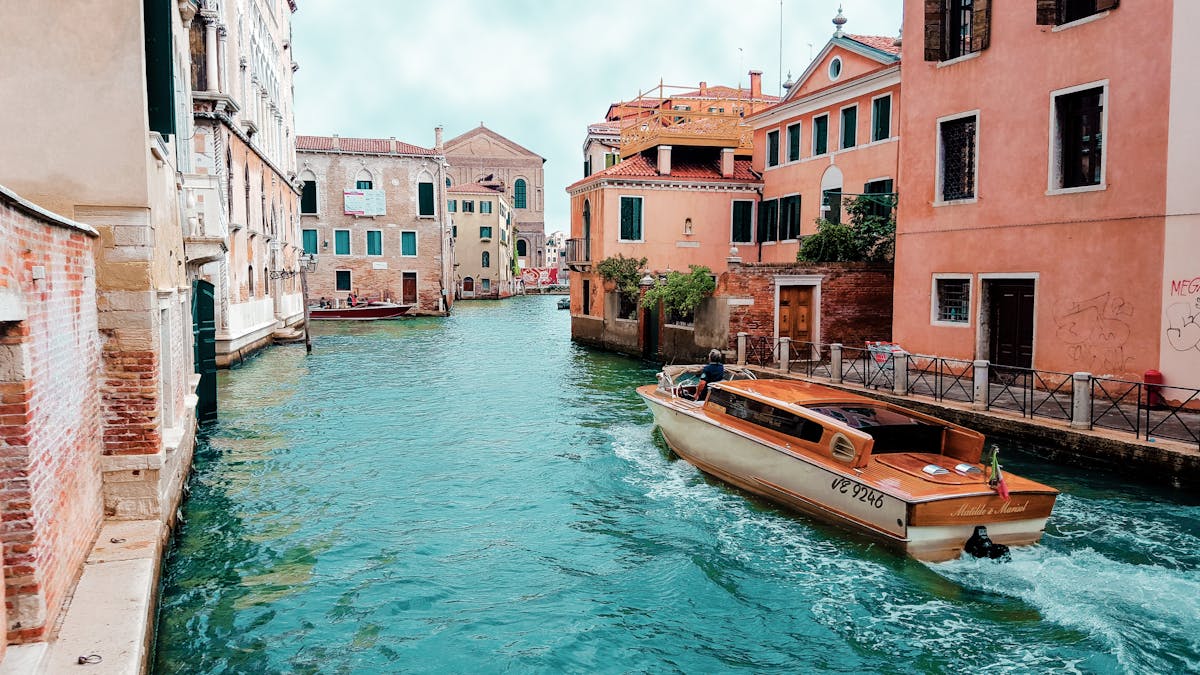
For a proper tapas crawl, focus on the streets around the Alfalfa neighborhood and the Alameda de Hércules boulevard. Bodega Santa Cruz (aka Las Columnas) near the cathedral is touristy but excellent. El Rinconcillo, dating to 1670, claims to be the oldest bar in Sevilla.
Where to Stay in Sevilla
Location matters in Sevilla. The two best areas:
- Historic Center / Santa Cruz: Walking distance to everything. More expensive but completely worth it for a first visit.
- El Arenal: Between the river and the cathedral. Great location, slightly more affordable than Santa Cruz.
Search and compare hotels on Booking.com or Expedia. Book well in advance for spring — Semana Santa and Feria week see prices triple and rooms sell out months ahead.
Where to Book Your Sevilla Trip
- Flamenco shows, Alcázar & city tours: Viator Sevilla
- Hotels: Booking.com | Expedia
- Flights to Sevilla: Our guide to finding cheap flights
- Travel insurance: Essential for any European trip
Sevilla Travel Tips
- Visit the Alcázar and Cathedral first thing in the morning or late afternoon to avoid peak crowds
- Sevilla shuts down for siesta (roughly 2–5pm) more seriously than most Spanish cities — plan accordingly
- Dinner doesn’t start until 9pm or later — embrace the schedule
- The city is very walkable; skip the hop-on hop-off bus and use your feet instead
- Consider adding a day trip to Córdoba (45 minutes by high-speed train) to see the extraordinary Mezquita
Sevilla rewards slow travel. The more time you spend simply sitting in a plaza with a glass of fino, watching the city go about its business, the more you’ll understand why Andalusia has captivated travelers for centuries. Come with comfortable shoes, an empty stomach, and no particular plans for the afternoons.
Planning resources: For the latest details, visit Visit Sevilla – official tourism office, Spain Tourism – Seville, and Royal Alcázar of Seville official site.
One Comment
Comments are closed.