New orleans travel guide — we’ve been researching and testing travel strategies for years, and this guide covers everything you need to know. This post contains affiliate links. If you book through our links, we may earn a small commission at no extra cost to you. We have eaten and drank our way through New Orleans more than once — and we’d do it again tomorrow.
Table of Contents
New Orleans doesn’t just get under your skin — it rewires you. No American city sounds like it, smells like it, or moves like it. The music spills out of open doorways at noon on a Tuesday. The food is a religion practiced with absolute seriousness. The architecture makes you feel like you’ve stepped into a slightly magical, slightly disheveled version of Europe. And the people — warm, funny, proud, deeply rooted — make the city feel less like a destination and more like a place you already belong.
This New Orleans travel guide covers everything you need: what to do, where to eat, the music scene, practical tips, and where to stay. Come hungry, come curious, and leave yourself time to just wander.
The French Quarter: Where to Start
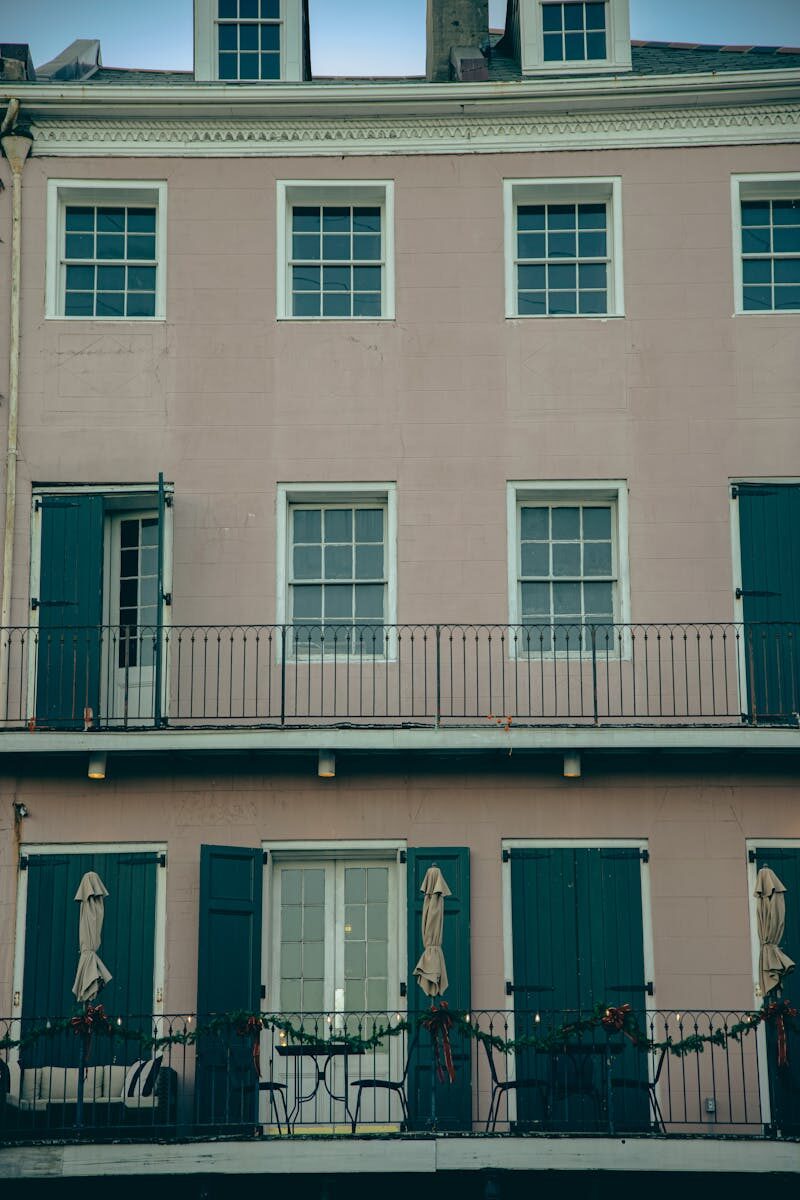
The French Quarter is the soul of New Orleans and the first place every visitor lands. It’s touristy, yes — but it’s touristy because it’s genuinely extraordinary. The architecture alone justifies a visit: cast-iron balconies dripping with ferns and bougainvillea, Creole townhouses painted in faded yellows and greens, the oldest cathedral in the United States anchoring Jackson Square.
Bourbon Street has a reputation that somewhat oversells the seediness and undersells the fun — it’s loud, it’s chaotic, it smells like spilled beer, and at midnight on a Friday, it’s one of the most exhilarating streets in America. But Bourbon Street is not the whole Quarter. Walk two blocks in any direction and the quality of both food and music improves dramatically.
Jackson Square is the heart of the Quarter — a beautiful park in front of St. Louis Cathedral, surrounded by fortune tellers, street musicians, artists, and the best people-watching in the city. Wander through, then walk down to Decatur Street along the river for the Café Du Monde, the French Market, and views of the Mississippi.
Best Things to Do in New Orleans
Live Music — Everywhere, Always
New Orleans is the birthplace of jazz, and the music here is not a tourist performance — it’s the city’s native language. The best live music can be found on any given night at Frenchmen Street in the Marigny neighborhood (two blocks of clubs with music from 9pm until 3am), at the Preservation Hall in the French Quarter (traditional jazz in an intimate venue — book ahead), and at the Maple Leaf Bar in Uptown (brass bands, zydeco, funk).
Don’t just go to the obvious spots. Walk slowly down Frenchmen Street on a weekend night. Poke your head into the Spotted Cat, d.b.a., the Maison. Let the music choose you. This is how New Orleans works.
Book a guided New Orleans jazz tour on Viator for your first night — a good guide takes you beyond Bourbon Street and into the clubs and history that define what jazz actually is.
The Garden District
A 20-minute streetcar ride from the French Quarter, the Garden District is one of the most beautiful neighborhoods in America. Antebellum mansions behind ancient live oaks, flowering azaleas, and that peculiar New Orleans quiet that makes it feel disconnected from the chaos just a few miles away.
Walk Magazine Street for restaurants, boutiques, and the neighborhood’s daily life. Stop at Lafayette Cemetery No. 1 — one of New Orleans’ famous above-ground burial sites, atmospheric without being morbid, and the filming location for several Interview With the Vampire scenes.
The National WWII Museum
Consistently ranked one of the best museums in the United States, and the best in the South. The National WWII Museum is a sprawling, emotionally powerful tribute to the American experience in World War II. Even visitors who don’t consider themselves museum people routinely report spending 3–4 hours here and leaving moved. Budget half a day minimum. The 4D film narrated by Tom Hanks alone is worth the admission.
Bayou Tours and the Swamp
New Orleans sits in a vast wetland ecosystem, and a swamp tour is one of the most distinctive experiences the city offers. Pontoon boats glide through cypress swamps where alligators lurk feet away, egrets perch in the branches, and the Spanish moss hangs like curtains from trees that have been here for centuries. It sounds like a theme park ride and turns out to be genuinely wild and beautiful.
Book a New Orleans swamp tour on Viator — most depart about 45 minutes outside the city and last 2 hours. Morning tours offer the best wildlife activity.
St. Charles Streetcar
The oldest continuously operating streetcar line in the world runs along St. Charles Avenue from the CBD through the Garden District and Uptown. For a few dollars, you get one of the great urban rides in America. Board near Lee Circle, ride to the Riverbend at the end of the line, and walk the Tulane/Loyola campus area before heading back. It’s a perfect half-day at minimal cost.
Where to Eat in New Orleans
New Orleans might be America’s greatest food city. That’s not a casual claim — it’s a considered one, made after eating in New York, San Francisco, Chicago, and everywhere else. The cuisine here is sui generis: Creole, Cajun, Vietnamese (massive Vietnamese community since the 1970s), soul food, po’boys, beignets. It’s a depth and specificity that no other American city quite matches.
Iconic Must-Eats
Café Du Monde — Yes, it’s a tourist trap. Yes, the beignets are legitimately perfect — hot, crispy, buried in powdered sugar — and the café au lait (half coffee, half hot chicory milk) is exactly right. Go at 8am before the crowds. Go at 2am after the clubs. Go twice.
Commander’s Palace (Garden District) — The grande dame of New Orleans fine dining, in business since 1893. The Saturday Jazz Brunch here is one of the great meal experiences in America. Worth splurging for a special lunch or dinner.
Dooky Chase’s Restaurant — A legendary Treme restaurant that fed civil rights leaders and was called “the most important restaurant in the South” by John T. Edge. The red beans and rice are a masterwork. An essential visit.
Domilise’s Po-Boys (Uptown) — A local institution that has been making po’boys since 1918. The shrimp po’boy on fresh French bread with remoulade is the one. Bring cash. Arrive before the lunch rush.
Pêche Seafood Grill (Warehouse District) — James Beard Award winner. Modern Gulf seafood in a beautiful wood-and-brick room. The whole roasted fish changes the way you think about fish. Reserve ahead.

Cochon Butcher (Warehouse District) — A perfect midday stop from the same restaurant group as Cochon. Charcuterie, sandwiches, and house-made everything in a casual counter setting. The muffuletta is outstanding.
Neighborhoods for Eating and Wandering
The Warehouse Arts District has become one of the city’s most dynamic dining neighborhoods. The Bywater neighborhood is a hipster magnet with excellent restaurants and bars. Mid-City has Parkway Bakery & Tavern (the city’s most beloved po’boy shop, per many locals) and the trail around City Park.
Where to Stay in New Orleans
For a detailed hotel breakdown, read our full guide to the best hotels in New Orleans for first-timers. The short version:
Stay in the French Quarter if you want to be in the action, within walking distance of Bourbon Street, Frenchmen Street, and the river. The Warehouse Arts District is a quieter, more design-forward base one streetcar stop from the Quarter. The Garden District offers beautiful surroundings and a residential feel, with the streetcar providing easy access downtown.
Search New Orleans hotels on Booking.com — filter by neighborhood to find the right location for your trip.
Practical Tips for New Orleans
Walk everywhere you can. The French Quarter and surrounding neighborhoods are compact and best appreciated on foot. Rent a bike for the Garden District and Bywater. Use the streetcar for Uptown.
Drink water. The heat and humidity in summer are intense, and New Orleans has a drinking culture that can sneak up on you. Alternate cocktails with water. Eat before you drink. The Sazerac is the city’s official cocktail — try one at the Sazerac Bar at the Roosevelt Hotel, where it was born.
Respect the culture. New Orleans has a complex, deep, sometimes painful history. The city’s Black cultural heritage — jazz, Mardi Gras Indian traditions, second line parades, the food — is not a backdrop for tourism. It’s the city itself. Engage thoughtfully, tip musicians generously, and spend money in Black-owned businesses and restaurants.
Mardi Gras is extraordinary and exhausting. If you’re going during Mardi Gras (usually February), book accommodation 6–12 months ahead, expect prices to double or triple, and prepare for the most chaotic, joyful, overwhelming urban event in America. Locals love it and hide from it simultaneously.
Where to Book Your New Orleans Trip
- Hotels: Booking.com New Orleans — best for comparing neighborhoods and total pricing
- Tours & music experiences: Viator New Orleans — jazz tours, swamp tours, ghost tours, food tours
- GetYourGuide: GetYourGuide New Orleans activities — worth comparing for food tours and walking tours
New Orleans rewards the visitor who slows down. Give it four or five days if you can. Walk into places because you like the sound coming out of them. Eat something you’ve never eaten before. Stay up later than you planned. The city will take good care of you.