Disclosure: This post contains affiliate links. If you book through our links, we may earn a small commission at no extra cost to you. Thanks for supporting Faceted Travel!
Table of Contents
- Why Acadia National Park Is So Special
- When to Visit Acadia
- Getting There and Getting Around
- The Best Things to Do in Acadia
- The Best Hikes in Acadia
- Don’t Miss the Carriage Roads
- Where to Eat Near Acadia
- Where to Stay
- What to Pack
- How Many Days Do You Need in Acadia
- Frequently Asked Questions About Acadia
- Where to Book
- Final Thoughts
The first time we watched the sun come up over Cadillac Mountain, with the cold Atlantic wind biting through our jackets and the whole coast of Maine glowing pink below us, we both went quiet. Acadia has a way of doing that to people, mixing rugged granite, dark spruce forest, and crashing ocean into something that feels both wild and welcoming.
We are Todd and Kimberly, and as Denver folks we love a good mountain, but Acadia gave us something the Rockies cannot: mountains that fall straight into the sea. This compact park on Maine’s Mount Desert Island packs an astonishing amount of beauty into a small footprint, which makes it one of the most rewarding national parks we have ever explored. Here is everything we have learned about planning a great Acadia trip.
Why Acadia National Park Is So Special
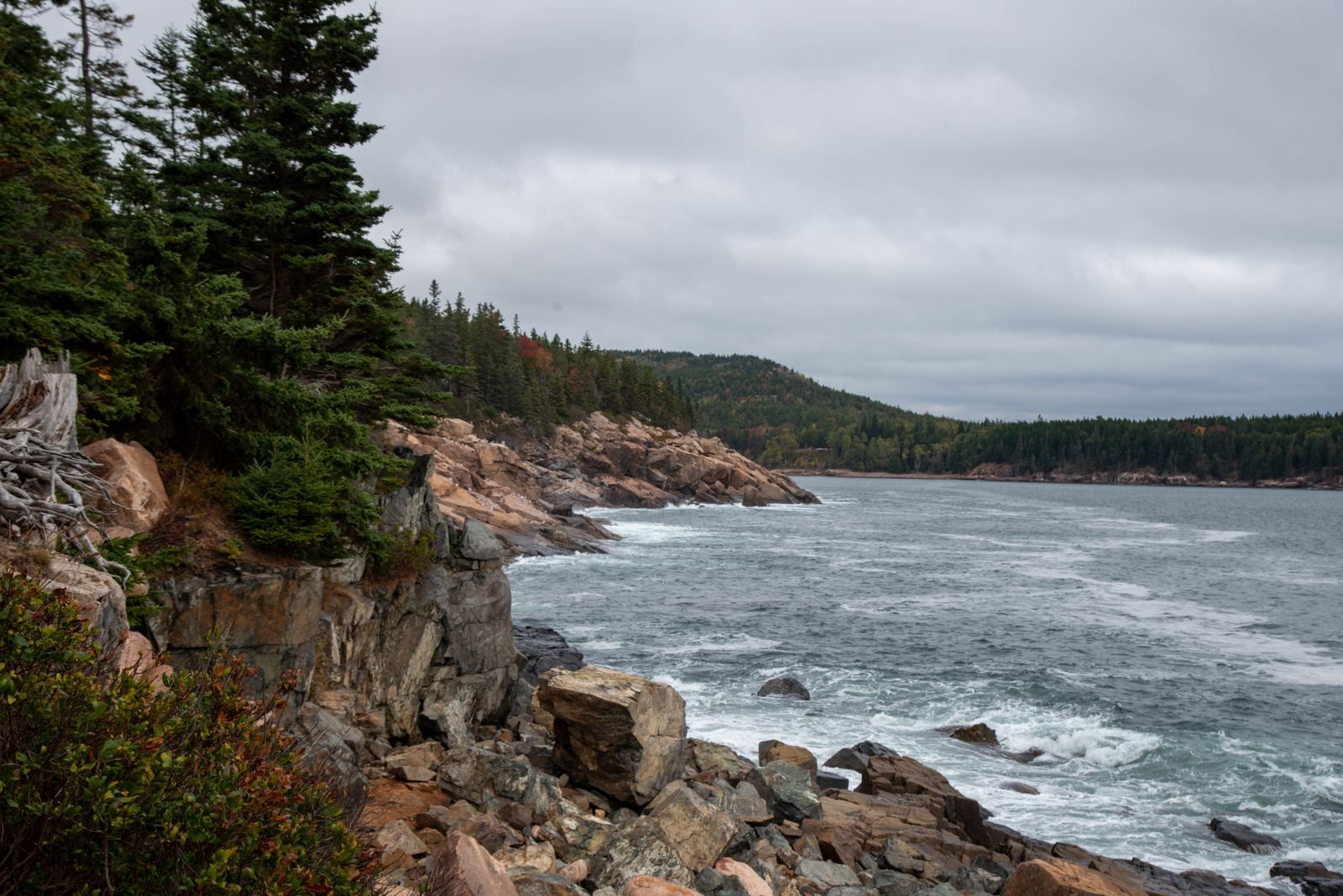
Acadia was the first national park established east of the Mississippi River, and it remains one of the most visited in the entire system. What makes it stand out is the collision of landscapes. In a single morning you can stand on a bald granite summit, walk through a mossy forest, and watch waves explode against pink cliffs.
The park covers much of Mount Desert Island, plus parts of the Schoodic Peninsula and Isle au Haut. Within those boundaries you get the tallest mountain on the U.S. Atlantic coast, glacier-carved ponds, historic carriage roads built by the Rockefeller family, and the charming gateway town of Bar Harbor. It is the kind of place where you can hike hard all morning and eat fresh lobster by the water that same afternoon.
Acadia is also wonderfully walkable and drivable compared to the giant western parks. You do not need to drive hundreds of miles between highlights. Most of the best spots sit along one scenic loop.
When to Visit Acadia
Acadia is very much a seasonal park, and timing shapes your whole experience.
Summer (June to August)
Summer is peak season for good reason. The weather is warmest, every road and trail is open, the free island shuttle runs, and the long days give you hours of light. The trade-off is crowds, especially in July and August, plus higher lodging prices in Bar Harbor. Book early if you come now.
Fall (September to mid-October)
Fall is our favorite. Maine’s foliage is spectacular, the summer crowds thin out after Labor Day, and the crisp air is perfect for hiking. Peak color usually lands in the first two weeks of October. This is also when you need to reserve a Cadillac Mountain sunrise vehicle slot well in advance.
Spring (April to May)
Spring is quiet and green, with waterfalls running full and wildflowers returning. Some facilities and roads do not fully open until mid to late spring, and the weather can be raw and wet, so check what is operating before you go.
Winter (November to March)
Winter transforms Acadia into a silent, snowy world loved by a hardy few. Most roads close to cars, but cross-country skiing and snowshoeing on the carriage roads can be magical. Come only if you are prepared for cold and limited services.
Getting There and Getting Around
Most visitors fly into Bangor, Maine, about an hour from the park, or make Acadia part of a larger New England road trip. Boston is roughly five hours away by car, which makes the park a classic long-weekend or week-long drive for much of the Northeast.
Once you arrive, you have options. In summer and early fall the free Island Explorer shuttle connects Bar Harbor, campgrounds, and major trailheads, which is a fantastic way to skip the parking headaches. Outside shuttle season you will want a car. Acadia requires a park entrance pass, available for a few days or as an annual pass, and you can buy it online ahead of time.
The Park Loop Road is the spine of the park, a 27-mile scenic drive that strings together many of the top sights. If you only had a few hours, driving the loop with stops would still give you a memorable visit.
The Best Things to Do in Acadia
Cadillac Mountain
At 1,530 feet, Cadillac Mountain is the highest point on the North Atlantic seaboard, and for part of the year it is one of the first places in the United States to see the sunrise. You can drive to the summit, but you need a timed vehicle reservation from late spring through fall. The 360-degree view over islands, ocean, and forest is the signature Acadia experience.
Park Loop Road and the Rocky Coast
Driving the Park Loop Road takes you past one stunning overlook after another. Build in stops at Sand Beach, a rare sandy cove tucked between granite headlands, and Thunder Hole, where incoming waves boom into a narrow rock channel. Time Thunder Hole for an hour or two before high tide for the best show.
Jordan Pond
Jordan Pond is a crystal-clear glacial pond framed by two rounded peaks known as the Bubbles. The flat Jordan Pond Path loops the shoreline, and the historic Jordan Pond House restaurant is famous for its popovers and tea on the lawn. It is one of the most photographed spots in the park.
Bass Harbor Head Lighthouse
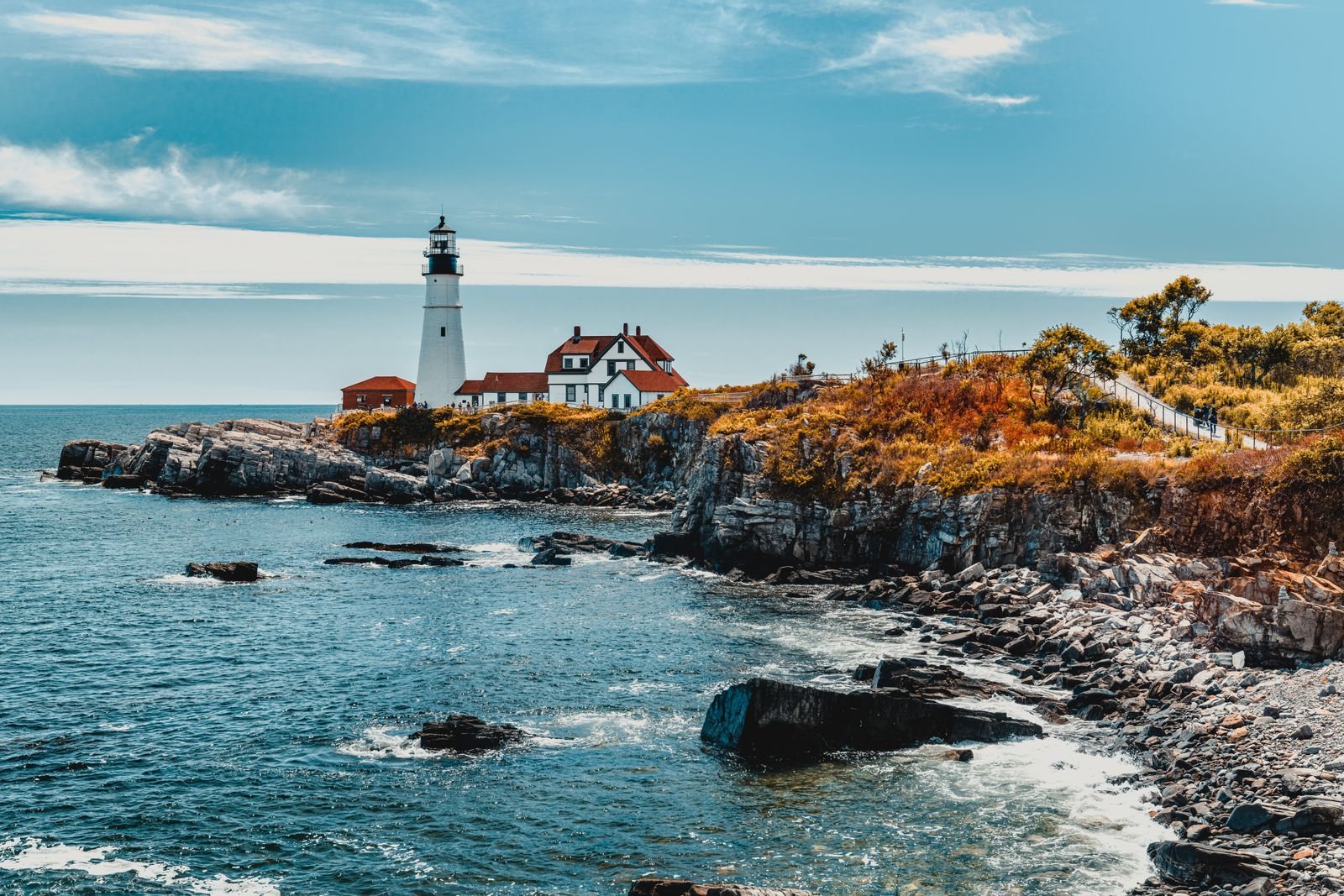
On the quieter side of the island, this classic Maine lighthouse perched on the rocks is a postcard come to life, especially at sunset. It gets busy, so arrive early or late for the best light and fewer people.
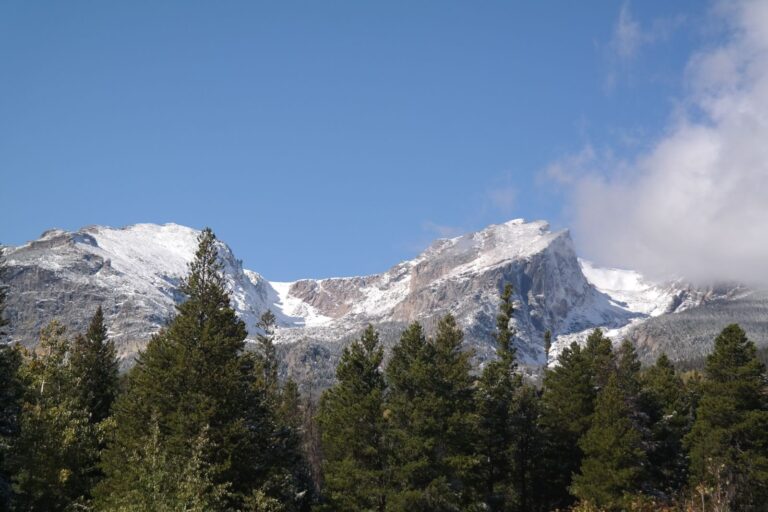
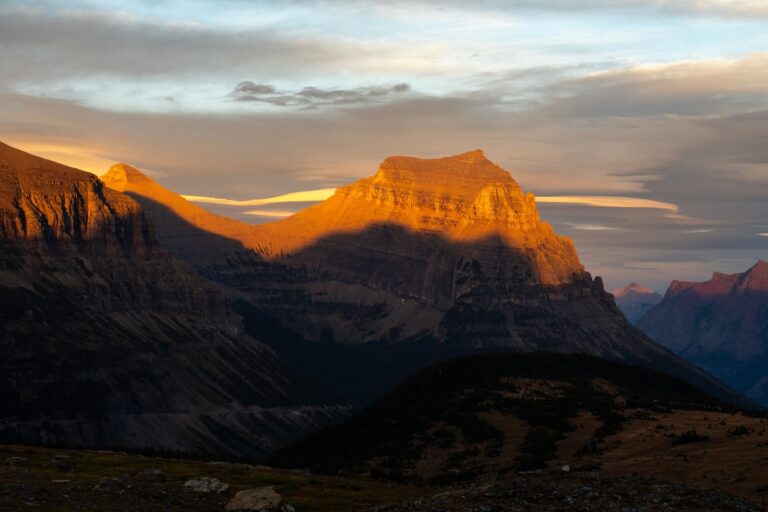
If this mix of mountains and water speaks to you, you will likely love our guides to Glacier National Park and Rocky Mountain National Park out west too.
The Best Hikes in Acadia
Acadia has more than 150 miles of trails, ranging from gentle shoreline strolls to vertigo-inducing cliff climbs.
For an easy and beautiful walk, the Ocean Path runs along the coast between Sand Beach and Otter Point, with constant views of the surf. The Jordan Pond Path is a flat, family-friendly loop around the water. Both are perfect for casual hikers and stunning in their own right.
For a moderate challenge, Gorham Mountain rewards you with open ocean views for a reasonable effort, and the Bubbles trails near Jordan Pond are short but scenic. These are great choices if you want a summit without serious exposure.
For thrill-seekers, Acadia is famous for its iron-rung trails. The Beehive and the Precipice are steep climbs with metal ladders and rungs bolted into sheer granite, offering huge rewards and real exposure. They are not for anyone afraid of heights, and the Precipice often closes in summer to protect nesting peregrine falcons. Whatever you hike, wear grippy shoes, carry water, start early to find parking, and check trail conditions at a visitor center first.
Don’t Miss the Carriage Roads
One of Acadia’s most unique features is its 45 miles of historic carriage roads, built by John D. Rockefeller Jr. between 1913 and 1940. These broken-stone roads are closed to cars, which makes them perfect for biking, walking, and horse-drawn carriage rides. Graceful stone bridges arch over streams and gorges along the way.
Renting a bike in Bar Harbor and spending a few hours on the carriage roads around Eagle Lake or Jordan Pond is one of the most relaxing things you can do in the park. The grades are gentle, the scenery is lovely, and you escape the traffic entirely.
Where to Eat Near Acadia
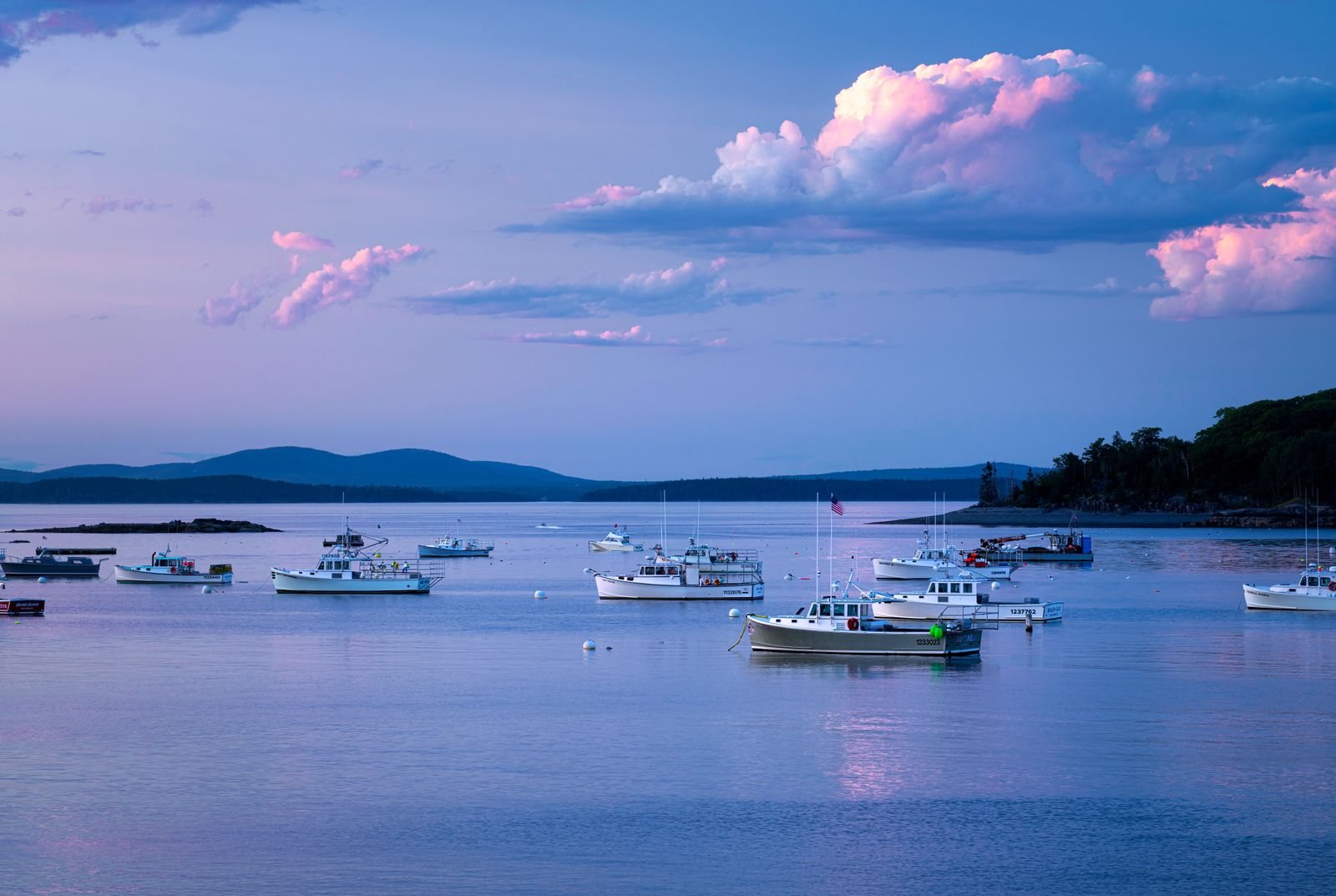
You cannot visit this coast without eating lobster, and Bar Harbor delivers. Casual lobster pounds let you pick your lobster and eat it at a picnic table by the water, which is exactly how we like it. The town is also full of seafood shacks, bakeries, and ice cream shops.
Inside the park, the Jordan Pond House is the only restaurant, and its famous popovers with jam, served on the lawn with mountain and pond views, are a tradition worth the wait. Make a reservation in peak season.
Where to Stay
Bar Harbor is the obvious home base, packed with inns, hotels, B&Bs, and rental cottages within minutes of the park entrance. It is walkable, lively, and full of restaurants, which makes it ideal for first-timers. Prices climb in summer and during fall foliage, so book well ahead.
Quieter alternatives include the smaller villages of Southwest Harbor and Bar Harbor’s outskirts, plus the towns of Ellsworth and Trenton on the way in, which can be more affordable. If you love sleeping under the stars, Acadia has several campgrounds, including Blackwoods and Seawall, which fill up fast and should be reserved early on Recreation.gov.
What to Pack
Coastal Maine weather changes quickly, and it is cooler than most people expect, even in summer. Mornings on Cadillac Mountain can be downright cold and windy, so always bring layers and a windbreaker or rain jacket. Sturdy shoes with good grip are essential on the granite, which gets slippery when wet.
Other smart additions include a reusable water bottle, sunscreen, bug spray for the woods, and a small daypack. If you plan to catch sunrise, pack a warm hat and gloves even in July. The granite holds the chill.
How Many Days Do You Need in Acadia
For a satisfying first visit, plan on two to three full days. One day for the Park Loop Road, Sand Beach, Thunder Hole, and a sunset at Bass Harbor, a second for a bigger hike and the carriage roads, and a third for Cadillac sunrise, Jordan Pond, and the quieter corners makes a wonderful trip.
If you only have a single day, drive the Park Loop Road, walk part of the Ocean Path, and have popovers at Jordan Pond. With a full week you could hike a new trail every morning, bike the carriage roads, take a boat tour to spot puffins or seals, and day trip to the Schoodic Peninsula. Because the island is small, you waste very little time in transit.
Frequently Asked Questions About Acadia
Do you need a reservation for Acadia National Park?
You do not need a reservation to enter the park, but you do need an entrance pass, which you can buy online or at the park. Separately, driving up Cadillac Mountain requires a timed vehicle reservation from late spring through October, and those sell out, so book early.
What is the best time to visit Acadia?
Summer offers the warmest weather and full services but the biggest crowds. We love September and early October for fewer people, crisp hiking weather, and brilliant fall foliage. Just reserve lodging and Cadillac sunrise slots well in advance for fall.
Is Acadia good for families?
Very much so. The free Island Explorer shuttle, easy trails like the Ocean Path and Jordan Pond Path, sandy Sand Beach, and gentle carriage roads for biking all make Acadia welcoming for kids, while older children can tackle the famous ladder trails with caution.
Where to Book
Here is how we put an Acadia trip together:
Hotels and Inns: We compare hotels, inns, and cottages in Bar Harbor and the surrounding towns on Booking.com. Book early for summer and fall foliage, when the best places sell out months ahead.
Tours and Experiences: Guided sea kayak trips, puffin and whale-watching boat tours, bike rentals, and lobster boat cruises are easy to compare and reserve on Viator. A boat tour is one of the best ways to see the coast from a new angle.
Park Pass: Buy your Acadia entrance pass and Cadillac Mountain vehicle reservation directly through the official park system, not a third party.
Final Thoughts
Acadia is proof that a national park does not need to be enormous to be unforgettable. Catch the sunrise on Cadillac, chase the waves at Thunder Hole, earn your popovers with a good hike, and slow down for lobster by the harbor. The island will reward every minute you give it.
If you are building a bigger national parks adventure, pair this with our guides to Yellowstone, Grand Teton, and Great Smoky Mountains National Park. Happy trails.